Character & Scene Continuity

Everything on screen that needs to stay the same, actually stays the same.

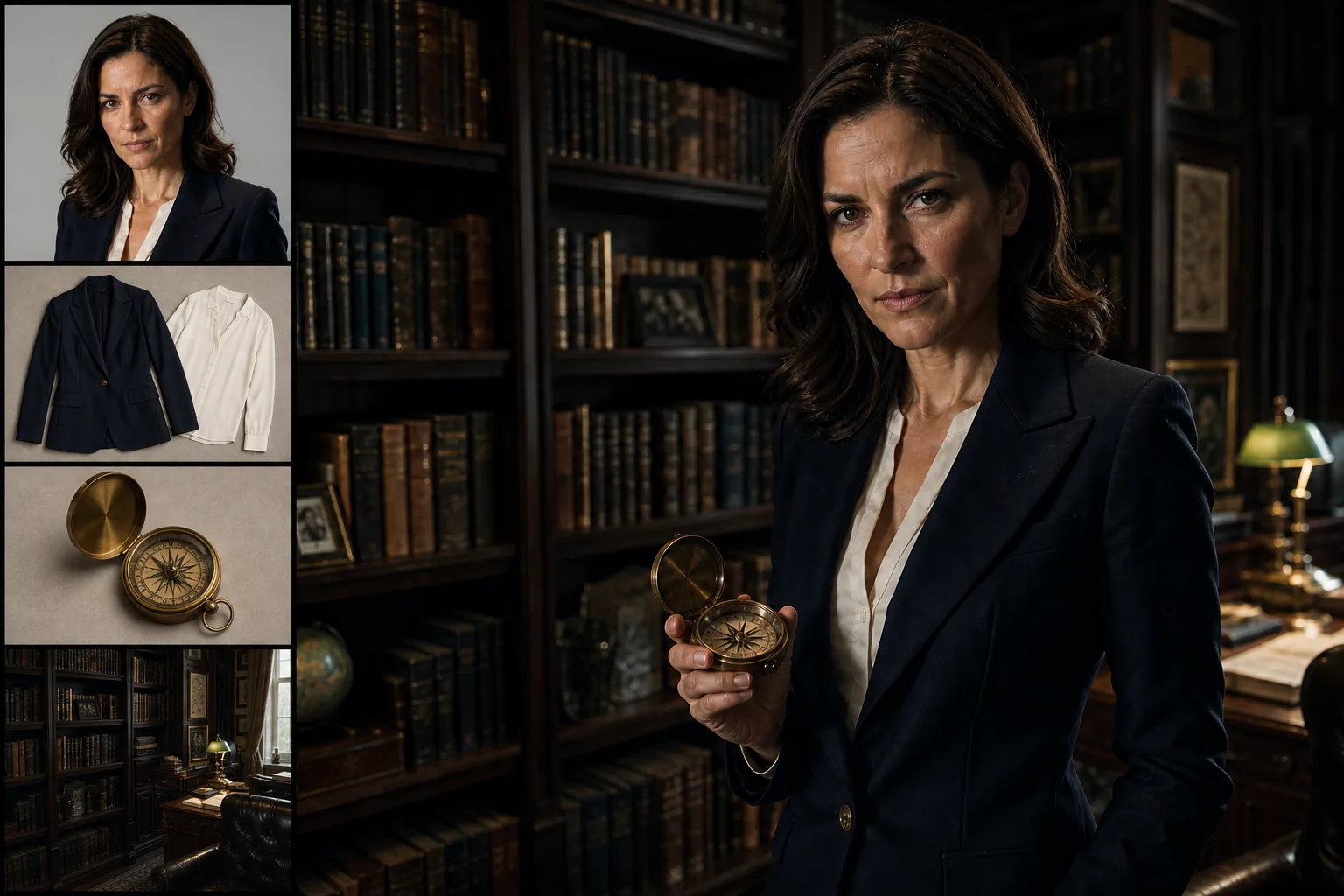
A single AI model can hold a face steady for one shot. SparkStation locks five things independently across every generation, who someone is, how they're feeling, what they're wearing, where they are, and what they're holding, so a 40-shot production doesn't quietly drift in five different directions at once.

1 Character Identity 2 Expression Continuity 3 Wardrobe Continuity 4 Location Consistency 5 Property & Object Consistency
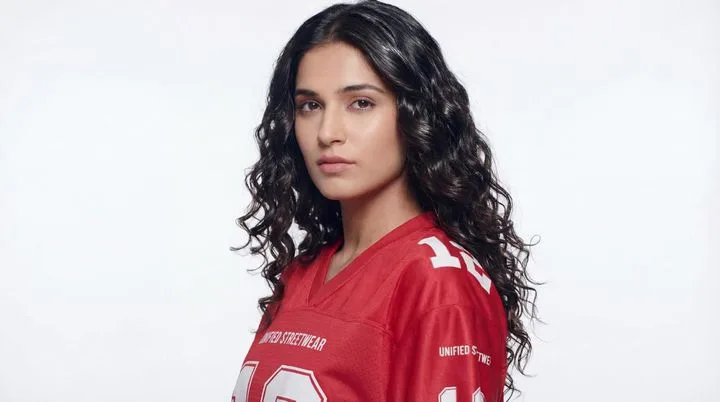
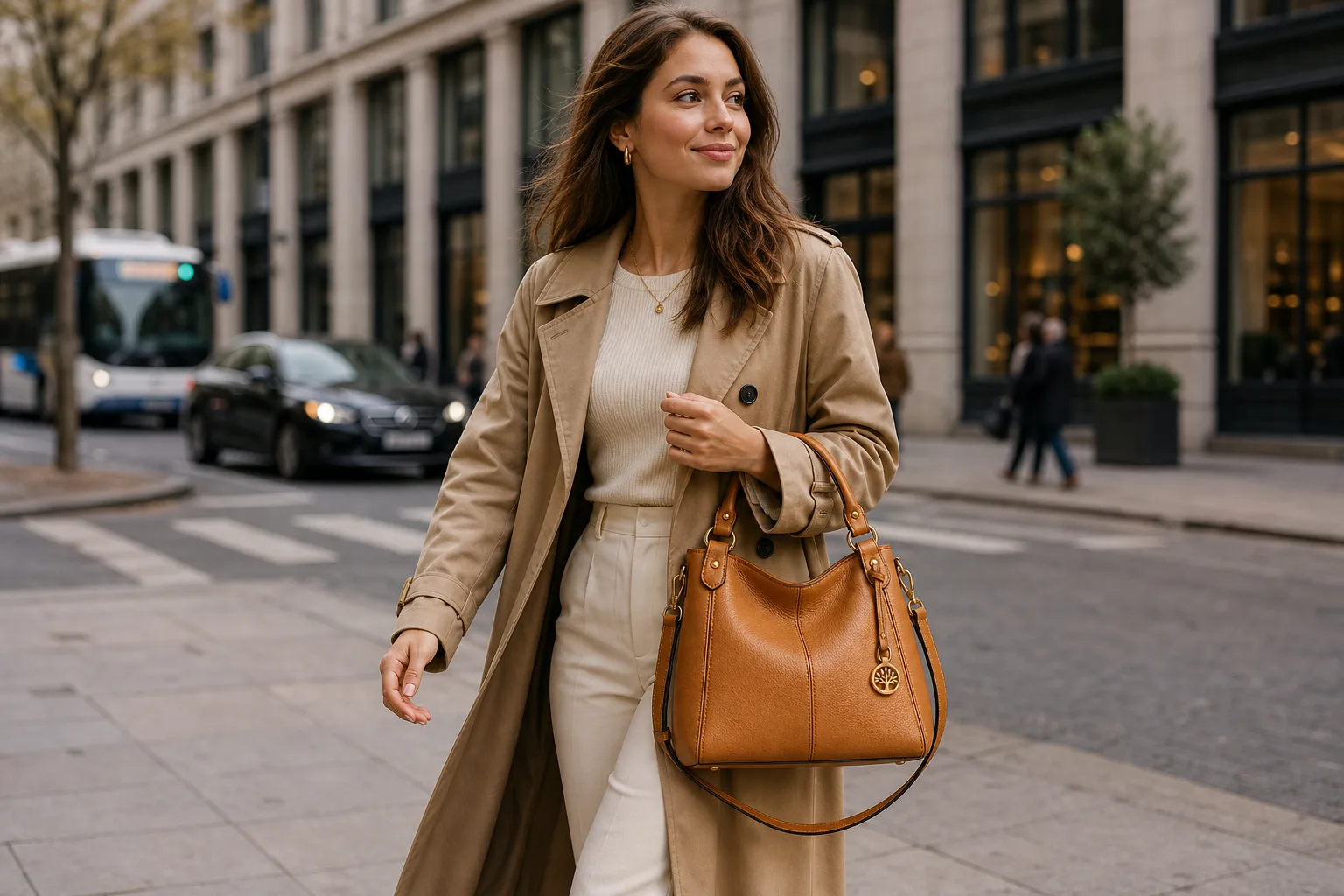
One scene showing all five SparkStation continuity locks holding at once: a locked character's identity, expression, wardrobe, location and a held prop
What is Character & Scene Continuity in SparkStation? It's a set of five independent locks, Character Identity, Expression Continuity, Wardrobe Continuity, Location Consistency and Property & Object Consistency, that each hold one specific aspect of a scene constant across every generation. Most AI tools can keep one of these steady for a shot or two before it drifts. SparkStation locks all five independently, so a face, an outfit, a set and a prop can each stay identical across an entire production, not just the next generation.
Why it matters

Consistency doesn't fail all at once. It fails five different ways.

A character's face can hold steady while their jacket quietly changes buttons between shots. A location can look right in the wide shot and subtly wrong in the reverse angle. Each of these is a separate technical problem with a separate failure mode, which is exactly why treating "character consistency" as one generic feature misses most of what actually breaks a production's believability.

🔒 Lock 1 of 5

Character Identity

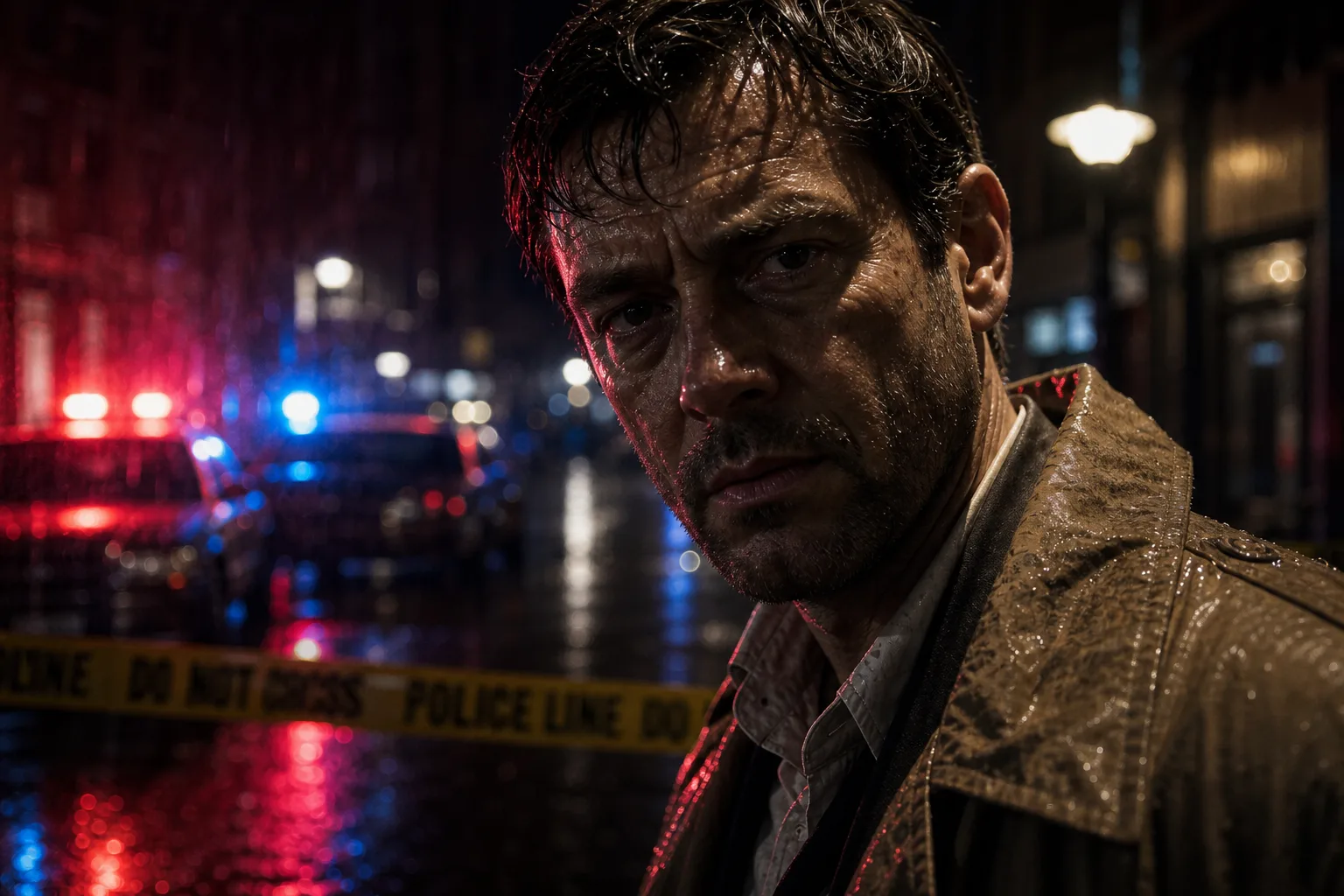
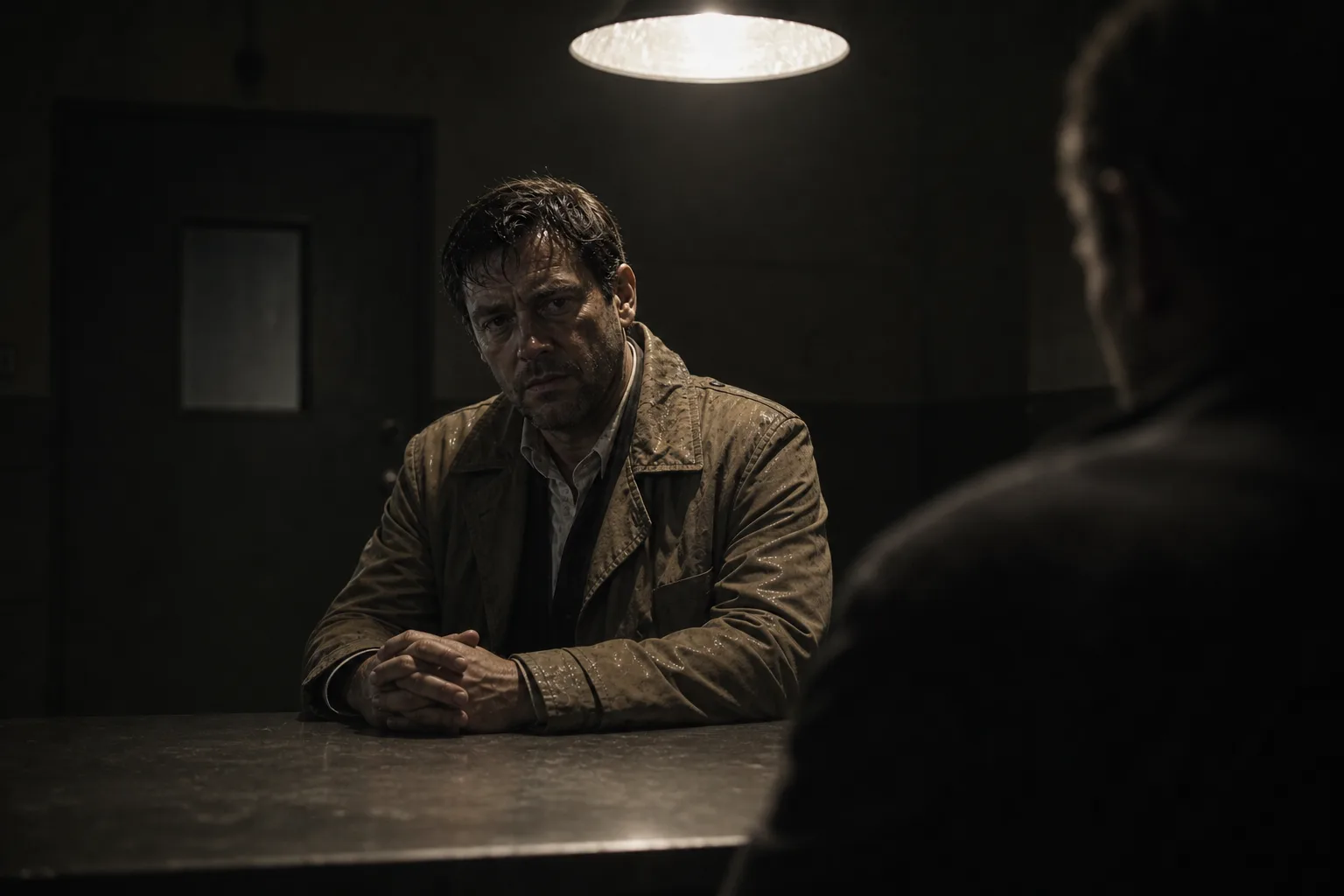
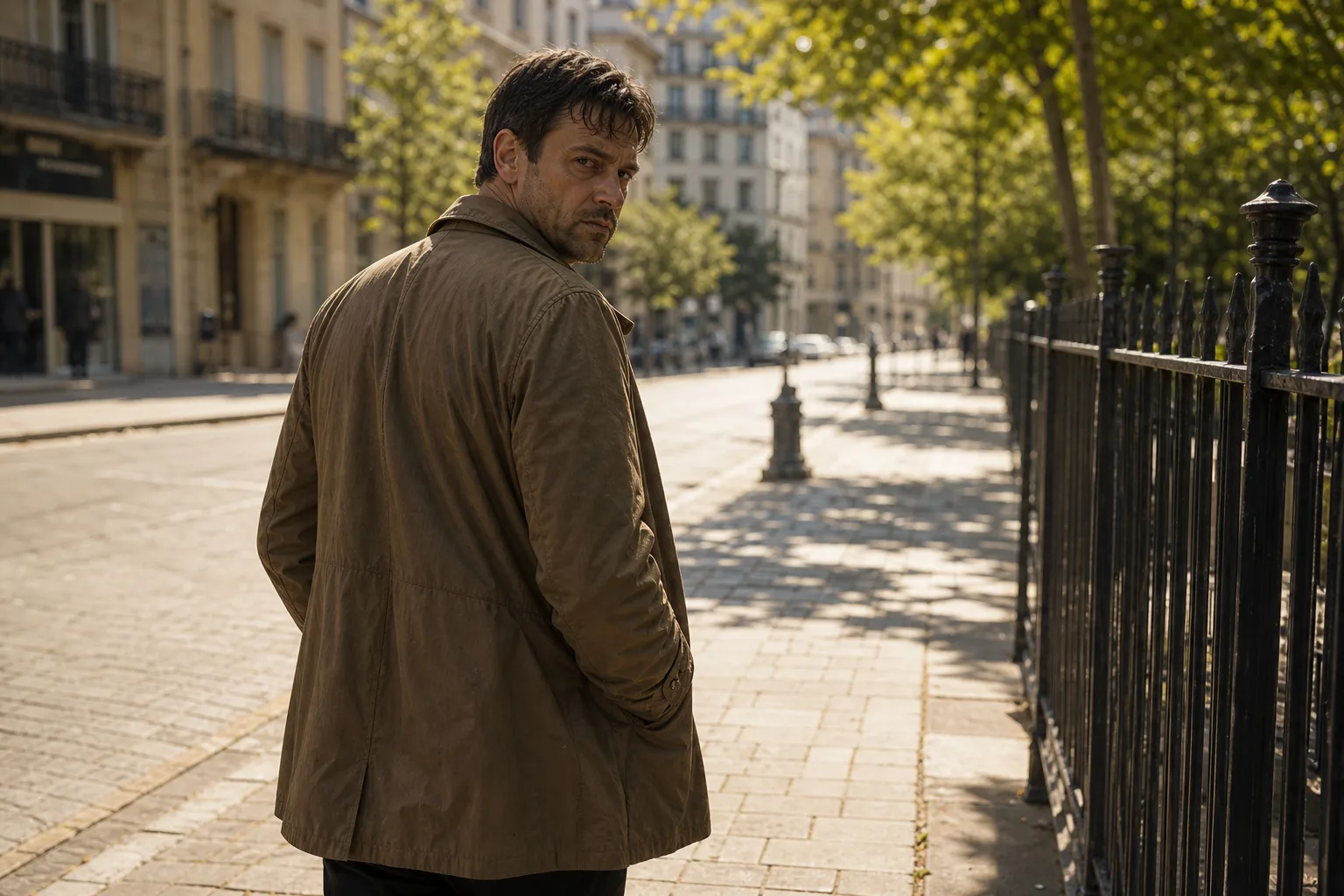
The base lock everything else sits on. Character Identity holds a cast character's face, bone structure and distinguishing features constant across every subsequent generation, regardless of angle, lighting, outfit or scene. It's set once, from the Casting Director lineup.

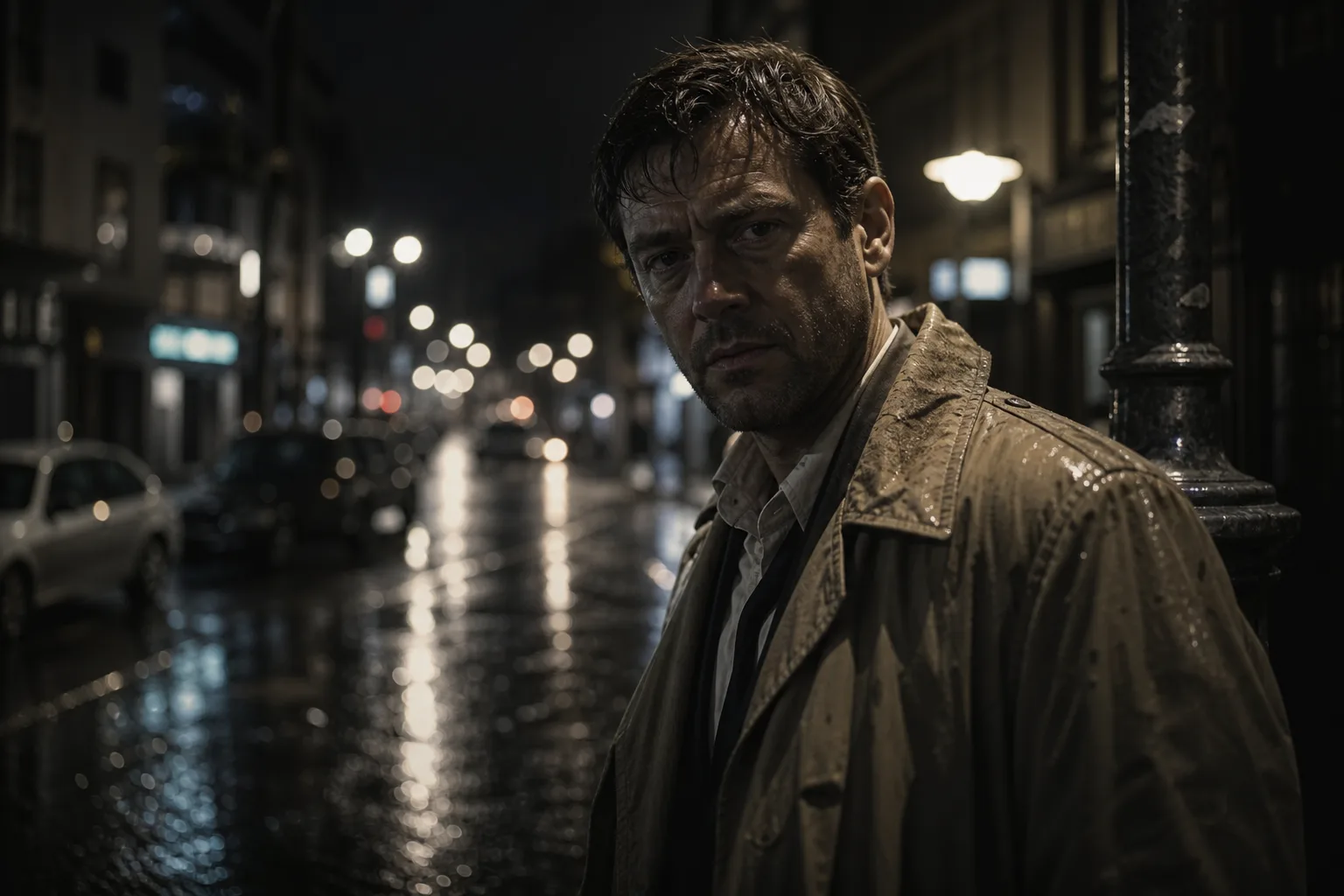
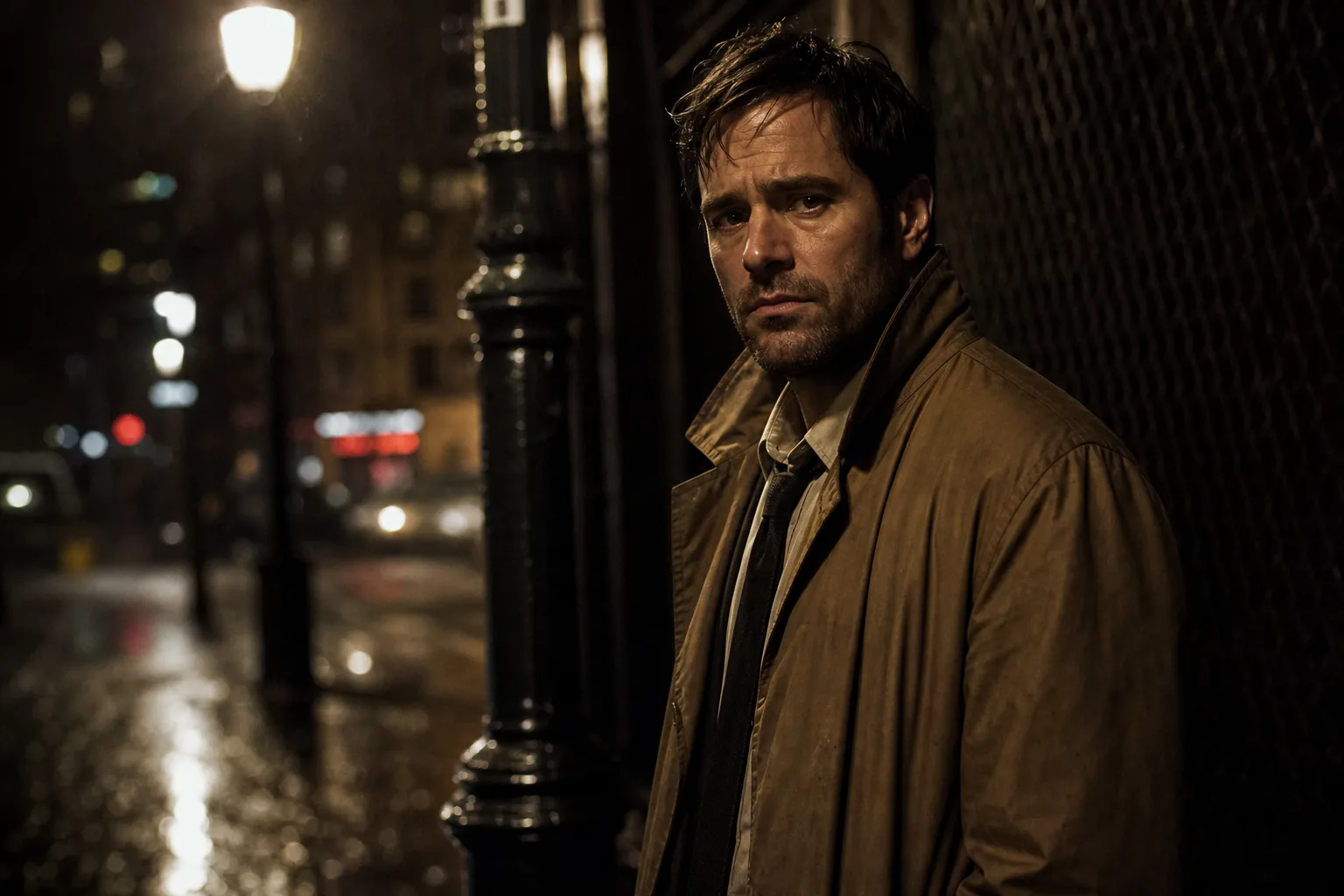
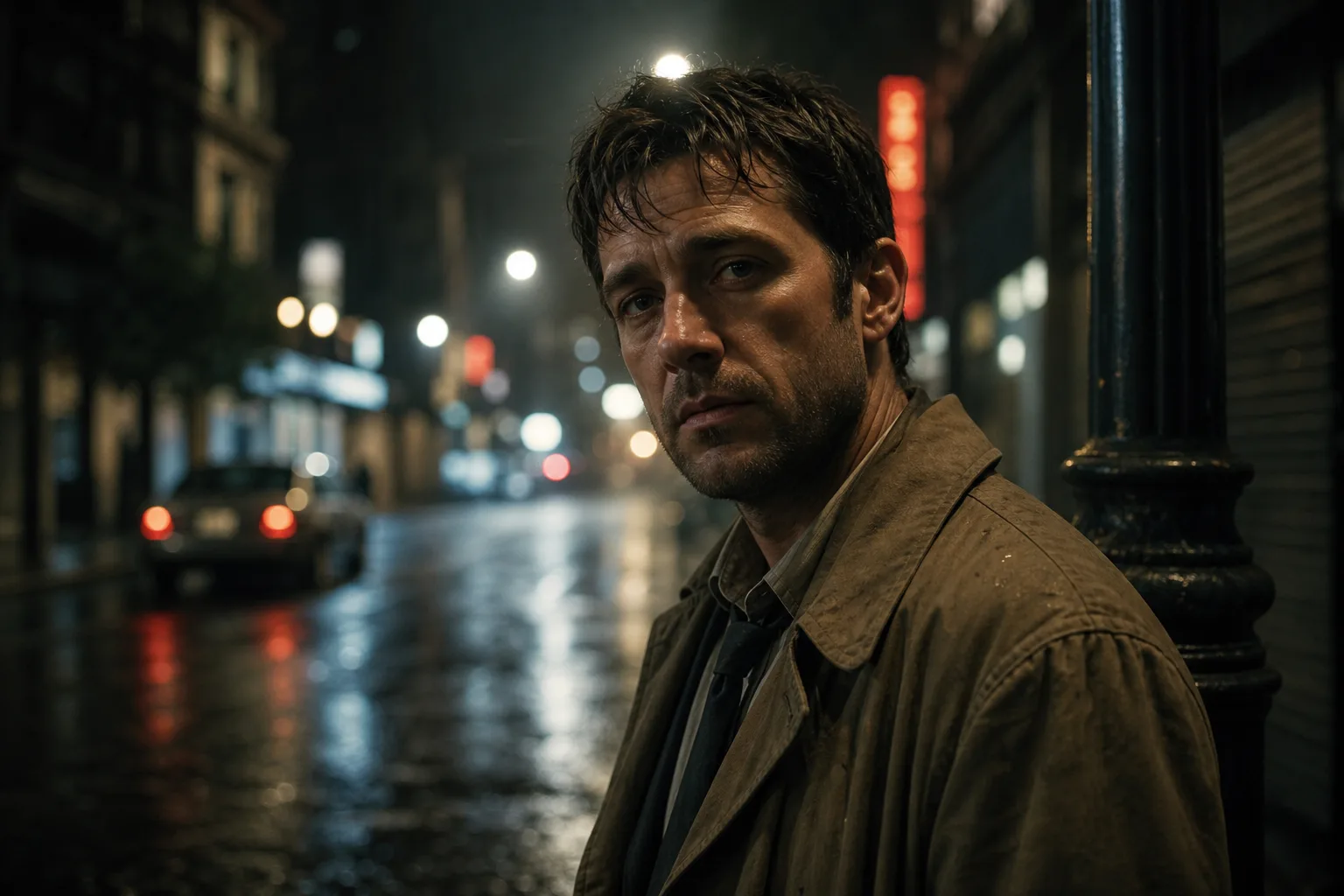
What breaks without it: describe a character by text alone and generate that description three times, and a plain model returns three different people. Reference-image conditioning helps for a shot or two before drifting back toward the model's own average face, especially across meaningfully different angles or lighting.

✕ Without a lock, three independent generations, same prompt
Unlocked AI generation 1 of a detective character, face drifts from the other two
Unlocked AI generation 2 of the same detective character, visibly different face
Unlocked AI generation 3 of the same detective character, a third different face
✓ With Character Identity locked, three scenes, same person
Locked character at a rain-lit crime scene, close-up
Same locked character in an interrogation room, medium shot
Same locked character walking a sunlit daytime street, wide shot
🔒 Lock 2 of 5

Expression Continuity

Keeps a locked character's emotional range believable without reshaping the underlying face to sell the emotion. The same person should be able to smile, grieve or shout and still read as themselves.

What breaks without it: push a locked face toward an extreme expression it wasn't shown in its reference, and most tools either flatten the expression back toward neutral (identity overriding emotion) or distort the face to hit it (emotion overriding identity). Both are visible even to a viewer who can't say why the shot feels wrong.

✕ Without a lock, identity flattens, distorts, or blends into the wrong emotion
Locked face prompted to look terrified, but the expression flattens back toward neutral
Locked face prompted to look terrified, but the face structure distorts away from the reference identity
Locked face prompted to look terrified, but the expression blends into an ambiguous look that reads as confusion instead
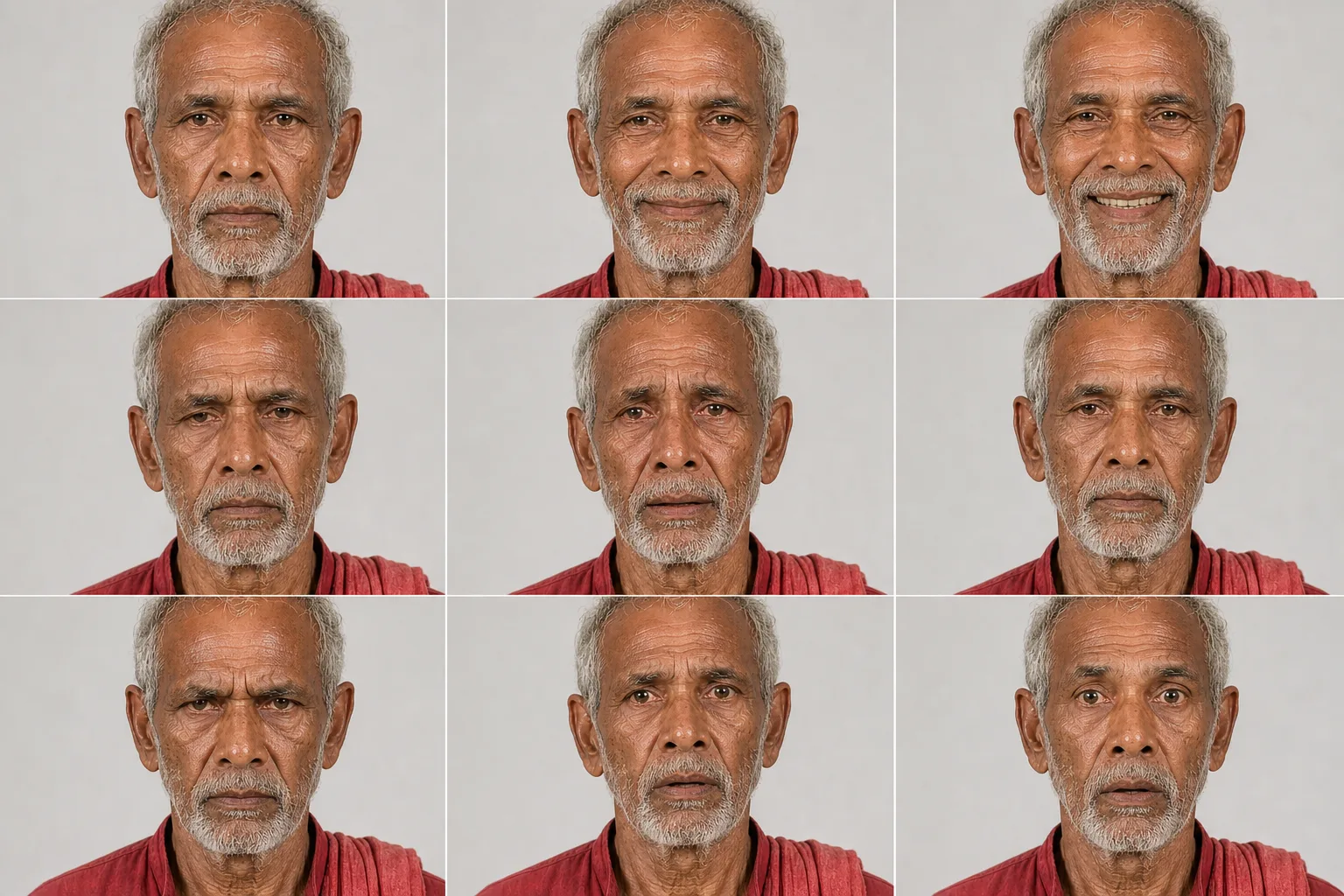
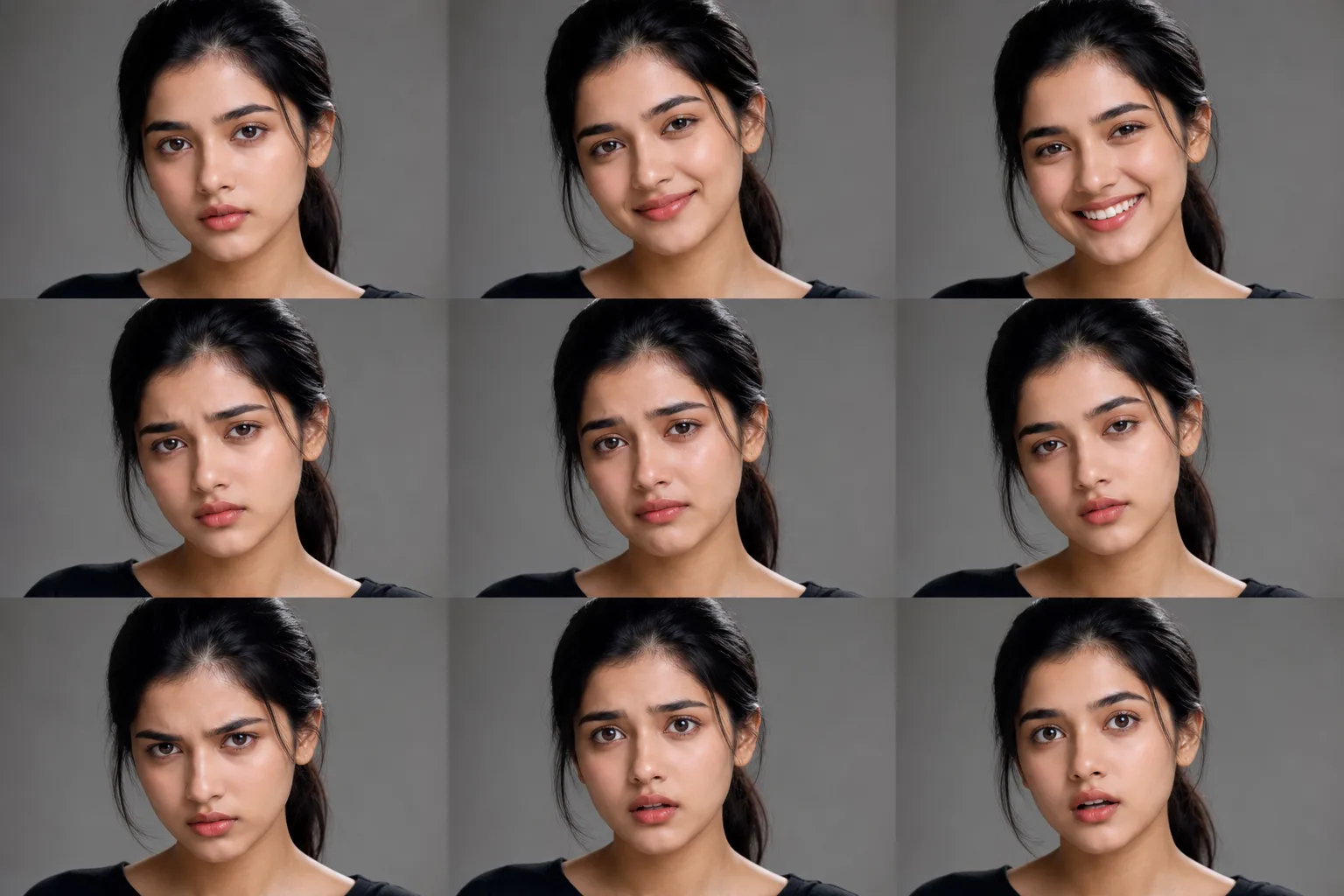
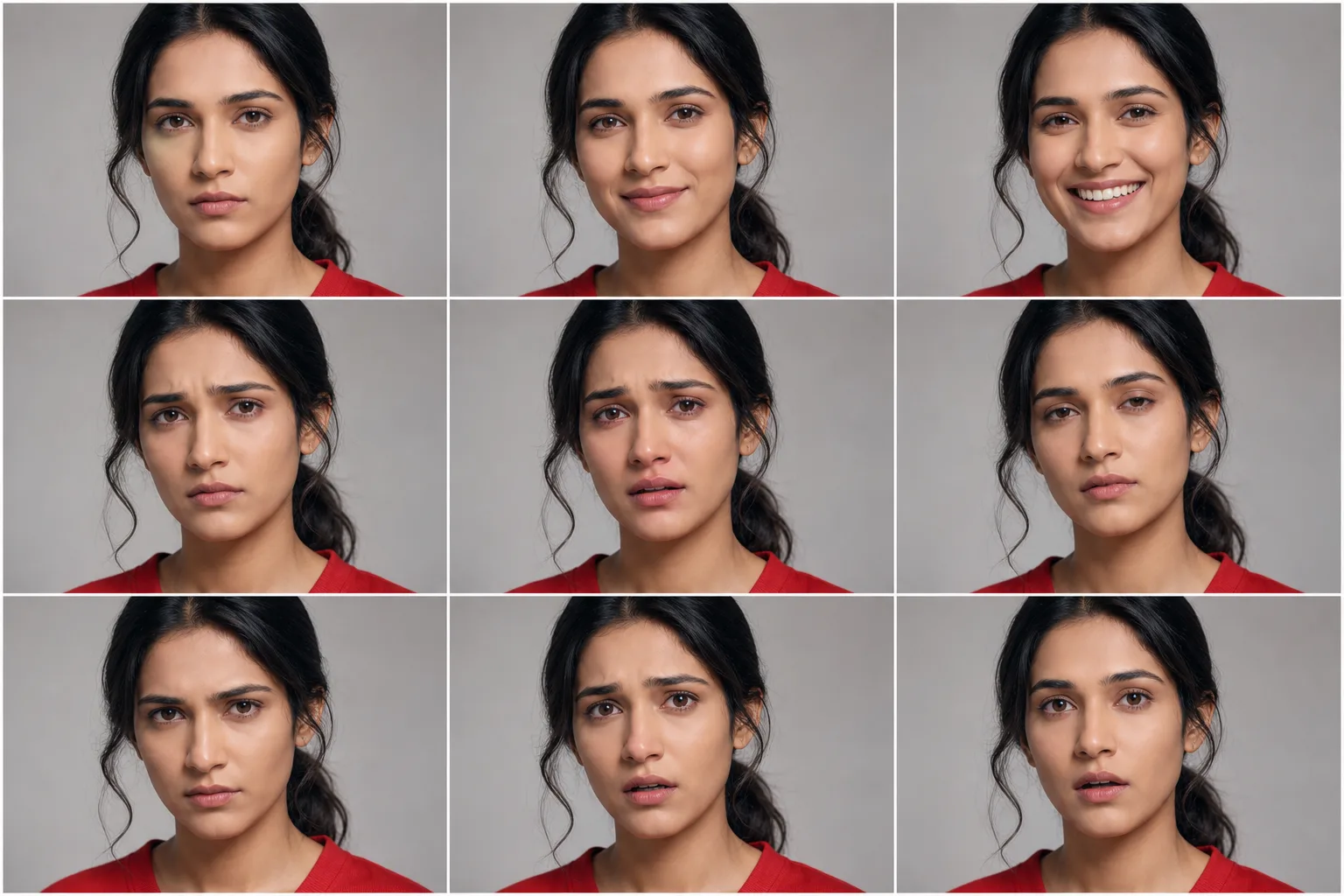
✓ With Expression Continuity locked, same face, nine real emotional states
Locked character, calm composed expression
Same locked character, controlled anger expression
Same locked character, quiet grief expression
🔒 Lock 3 of 5

Costume & Wardrobe Continuity

Locks a character's outfit, garment shape, color, texture, accessories, across every shot in a scene, the way a film's costume department maintains a continuity binder so a jacket doesn't change buttons between the wide shot and the close-up.

What breaks without it: a shirt that's blue in shot one and navy in shot three, a jacket that gains a zipper, a watch that appears and disappears. Individually small; collectively the fastest way to break a viewer's suspension of disbelief.

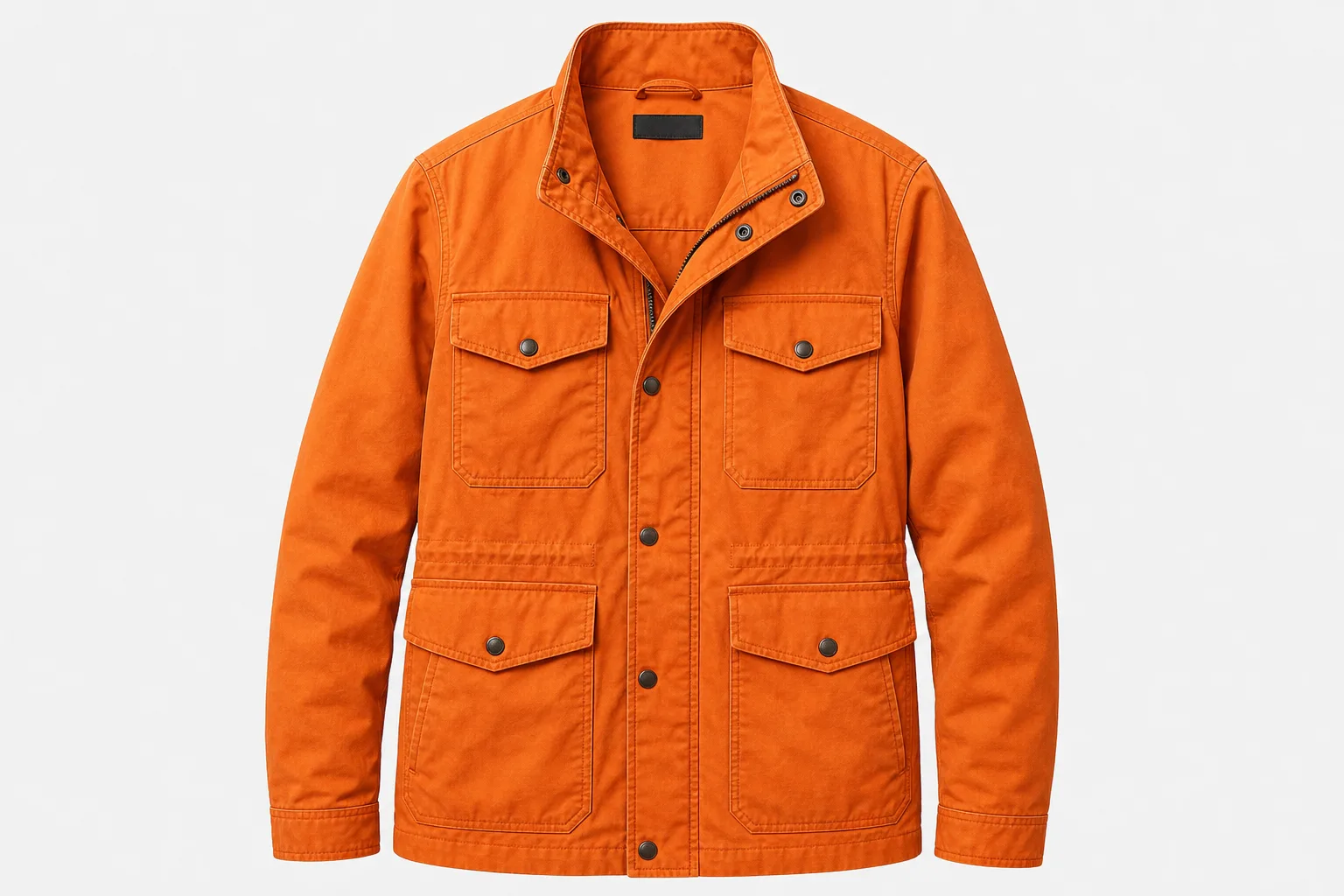
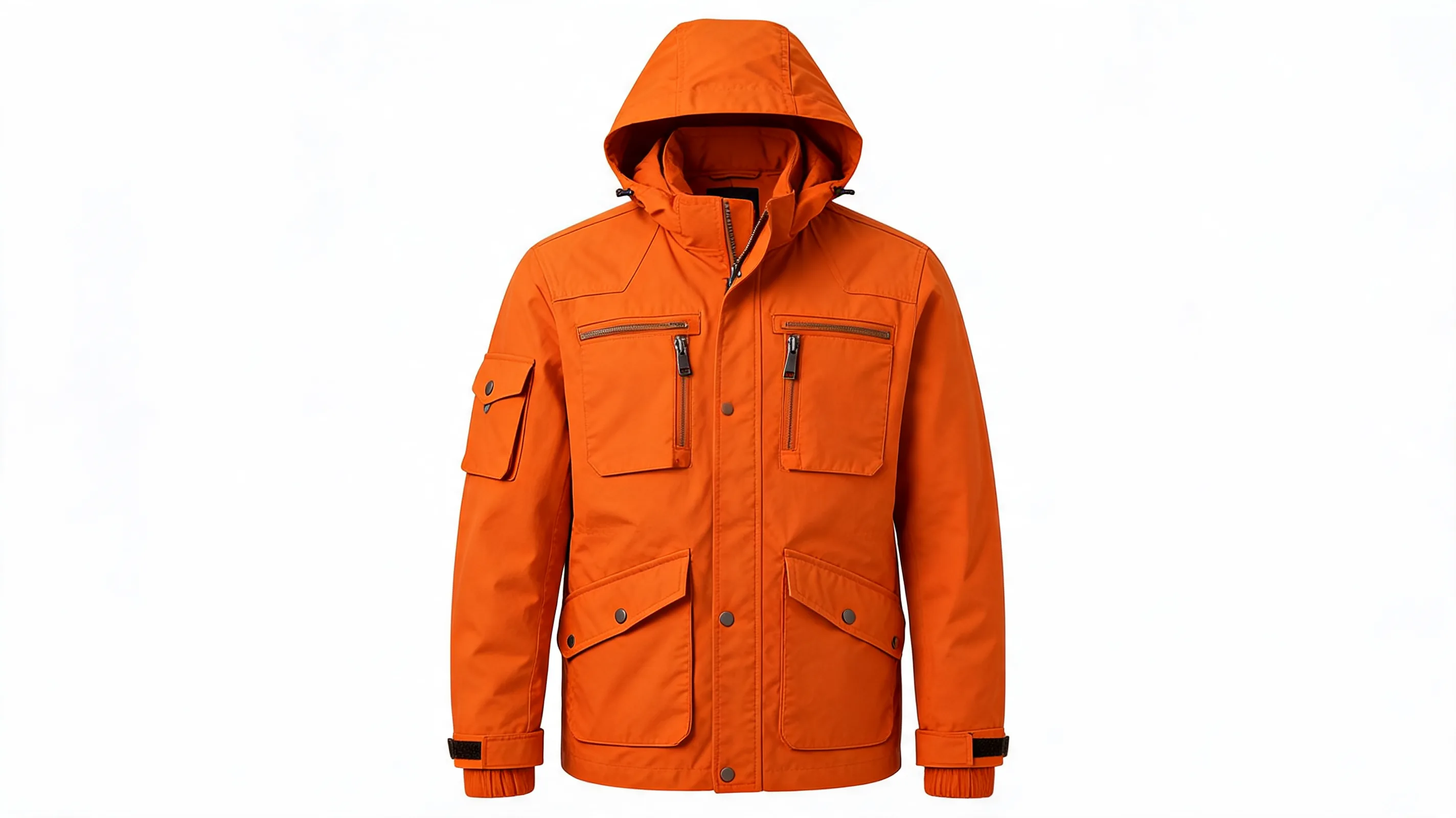
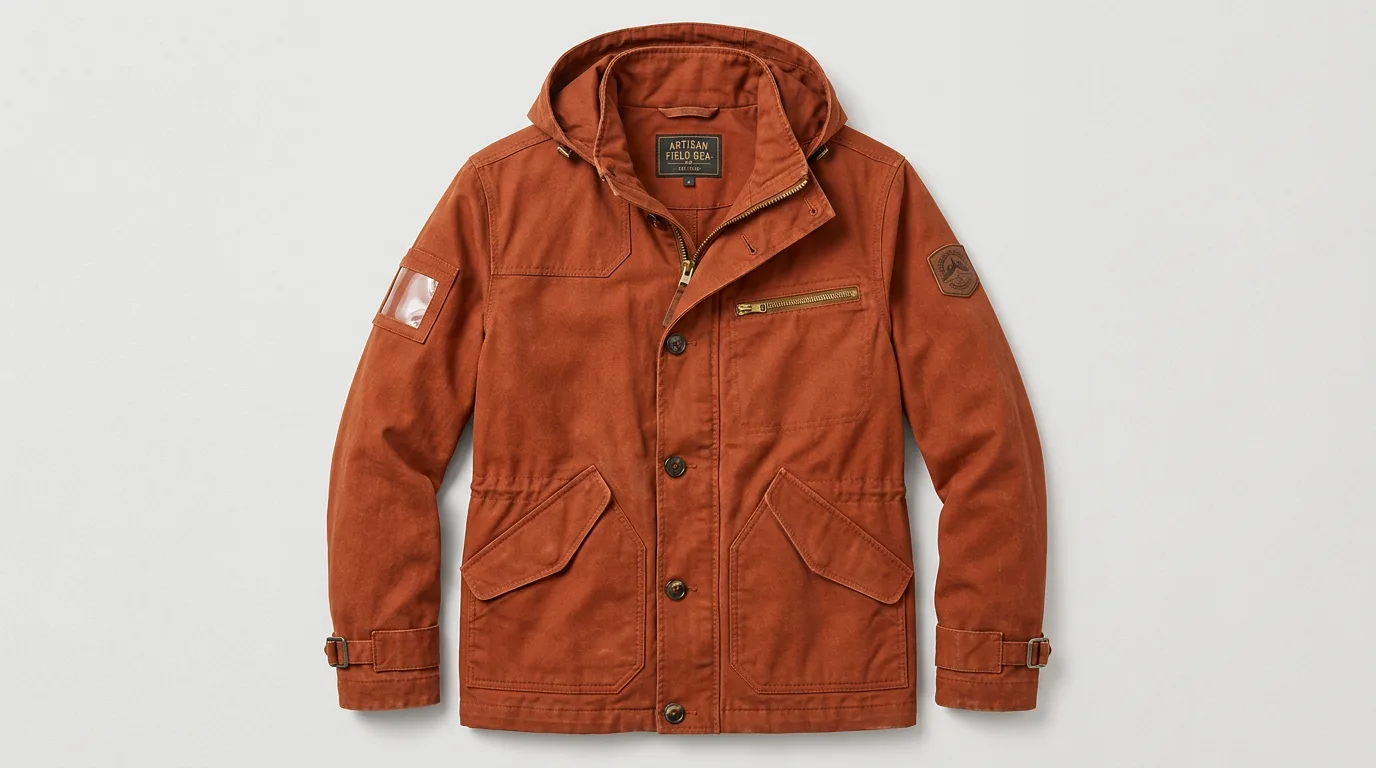
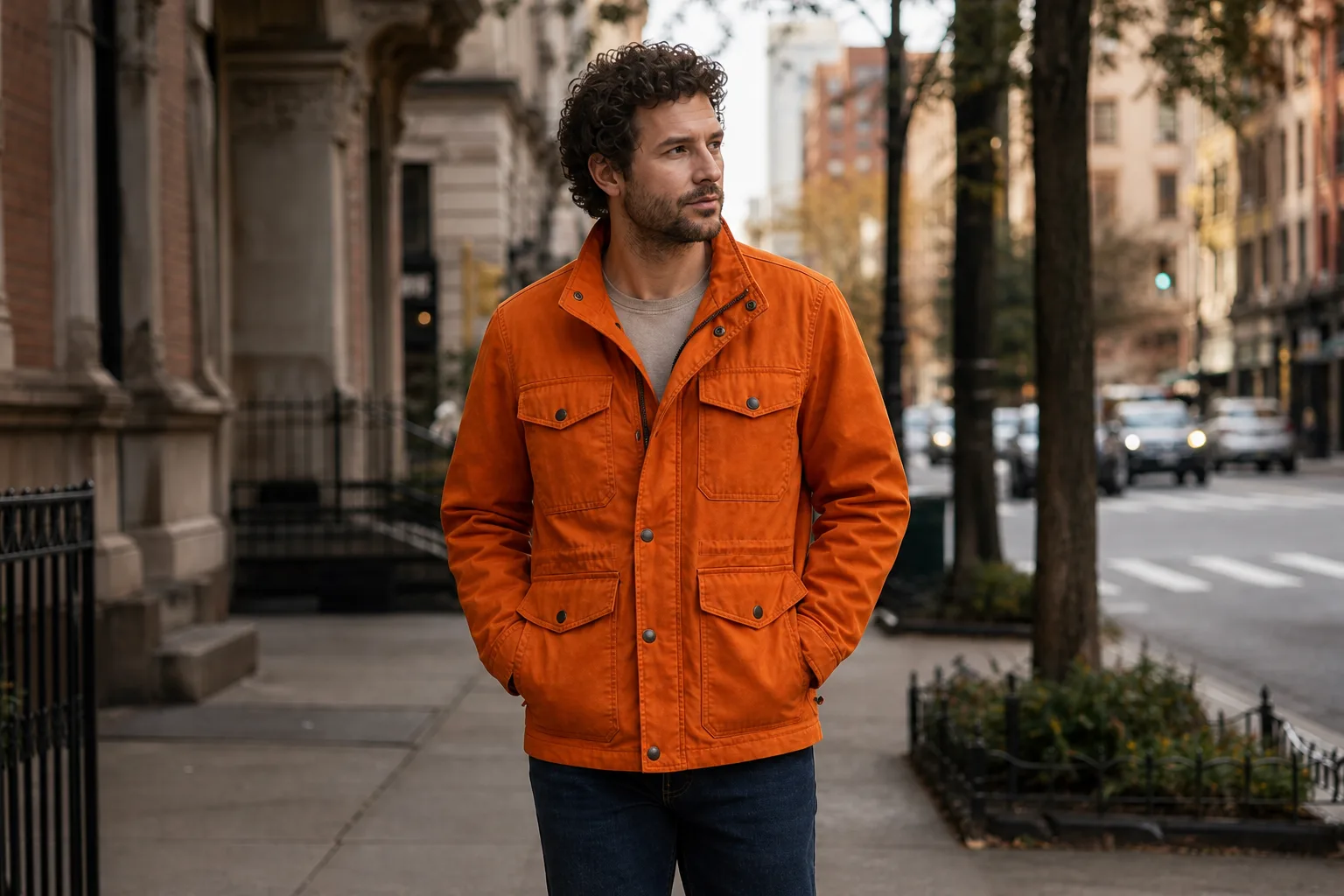
✕ Without a lock, jacket color and collar shift across the same "scene"
Unlocked wide shot of a character in a field jacket
Unlocked medium shot of the same character, jacket color has shifted slightly
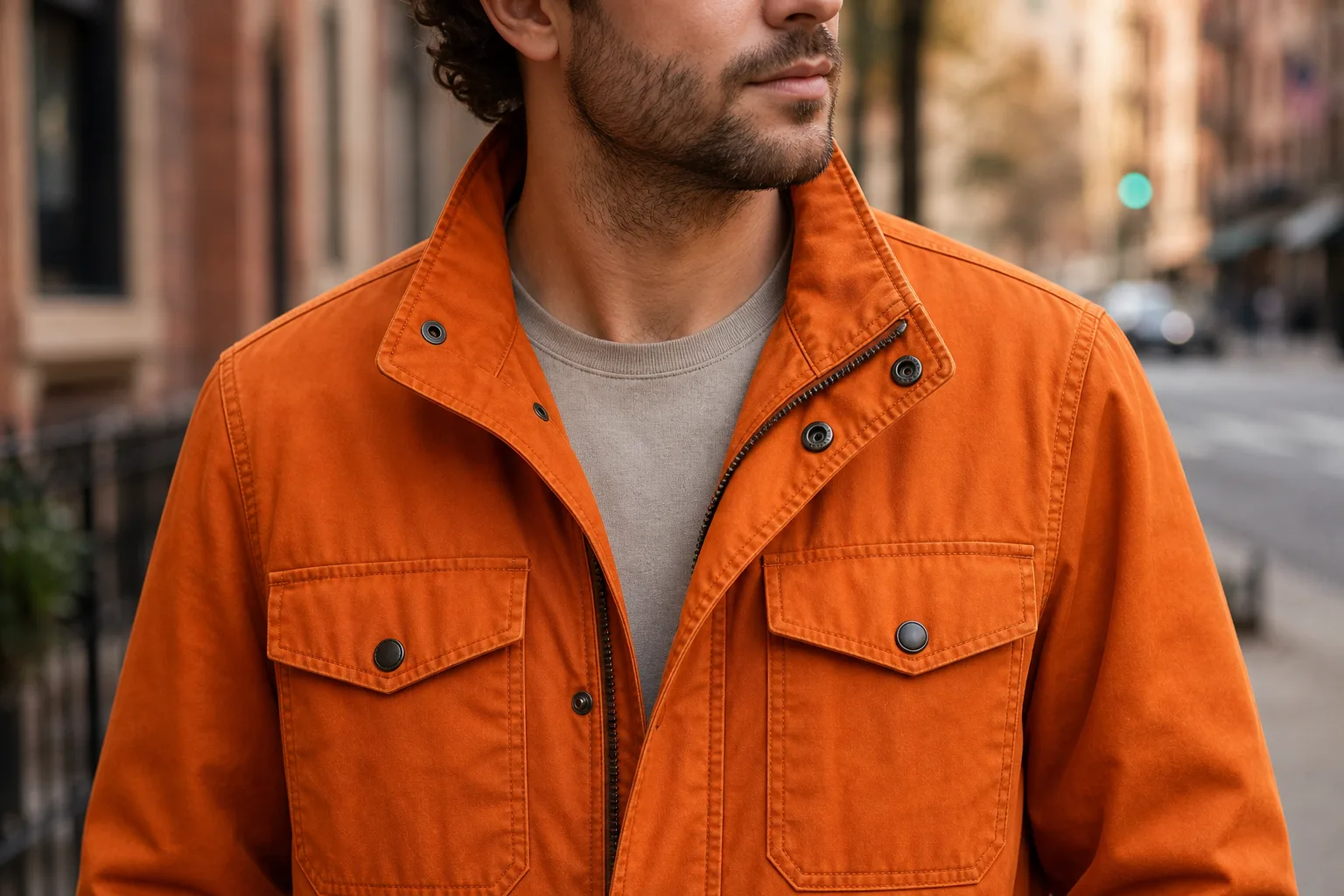
Unlocked close-up of the same character, collar shape and shirt pattern have changed
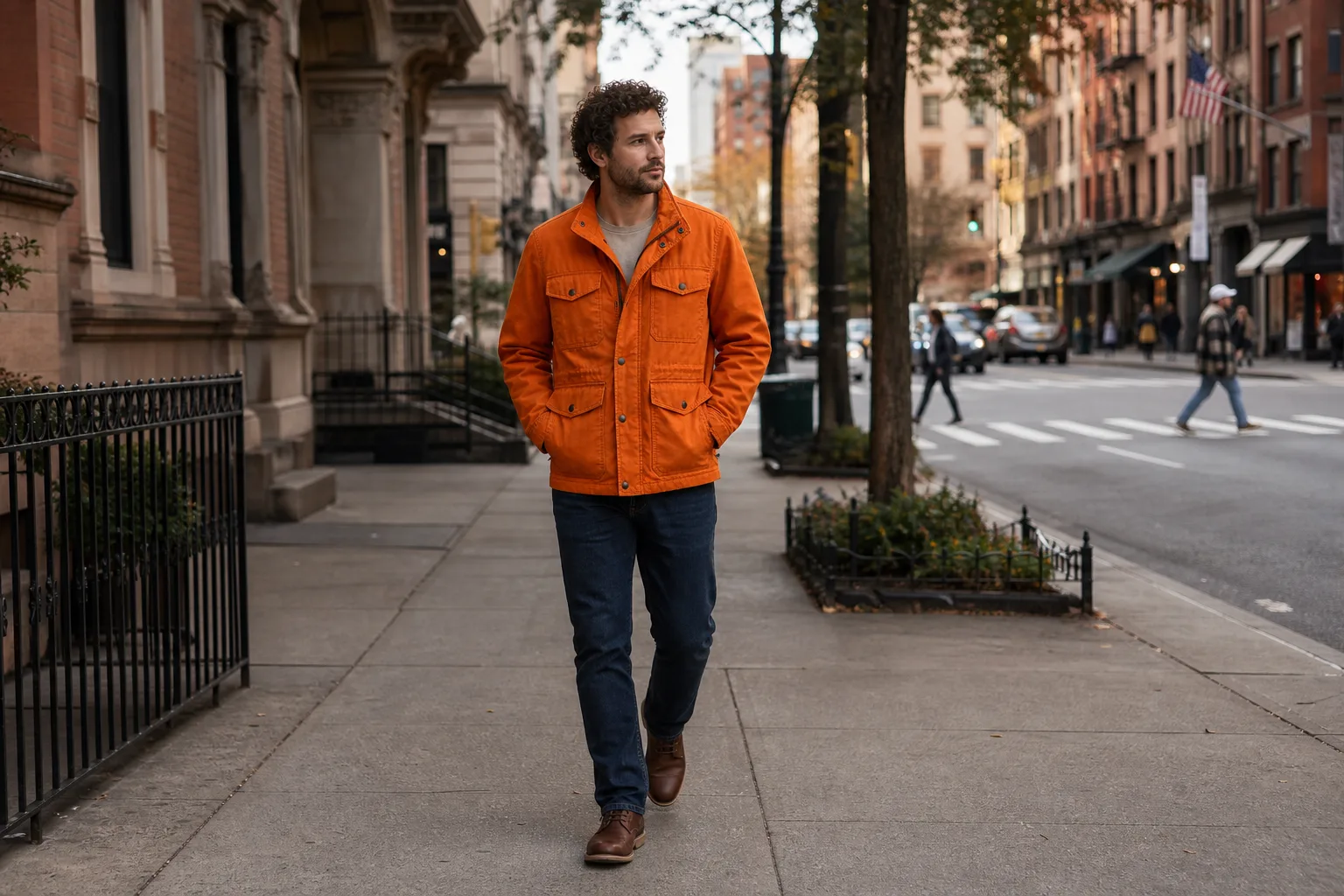
✓ With Wardrobe Continuity locked, identical outfit, full coverage set
Wardrobe-locked wide establishing shot
Wardrobe-locked medium two-shot, identical jacket and shirt
Wardrobe-locked close-up, identical buttons and collar
🔒 Lock 4 of 5

Location Consistency

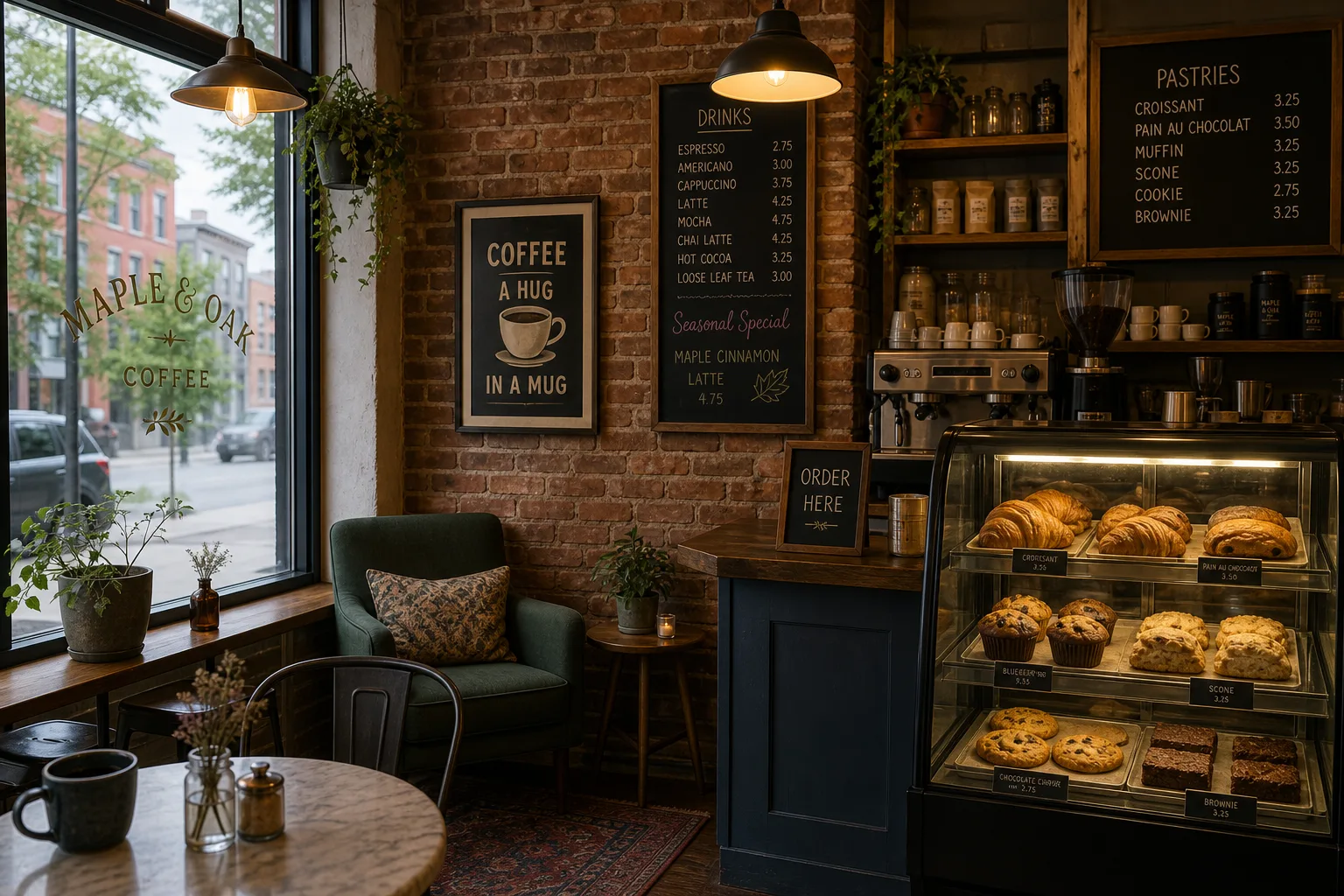
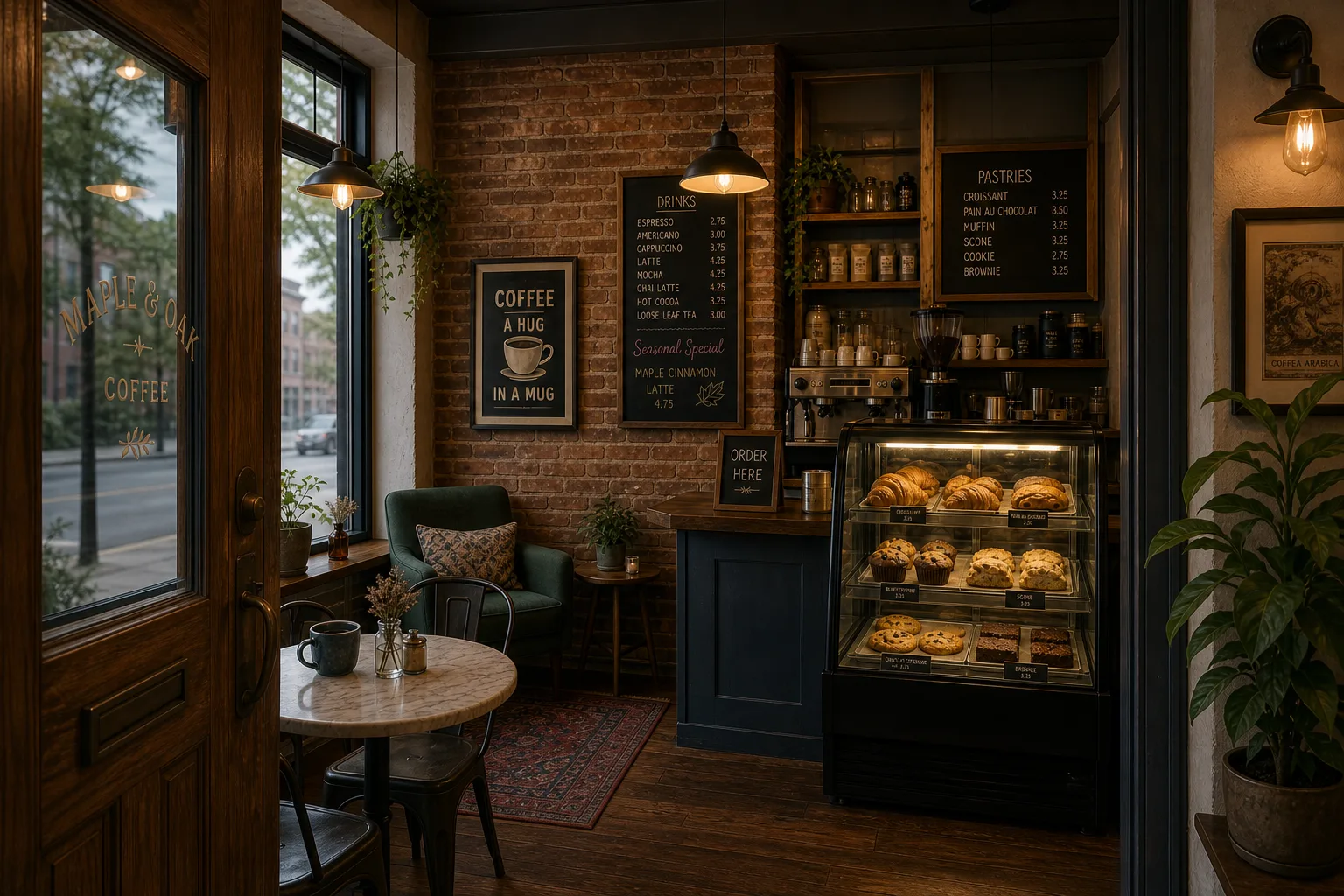
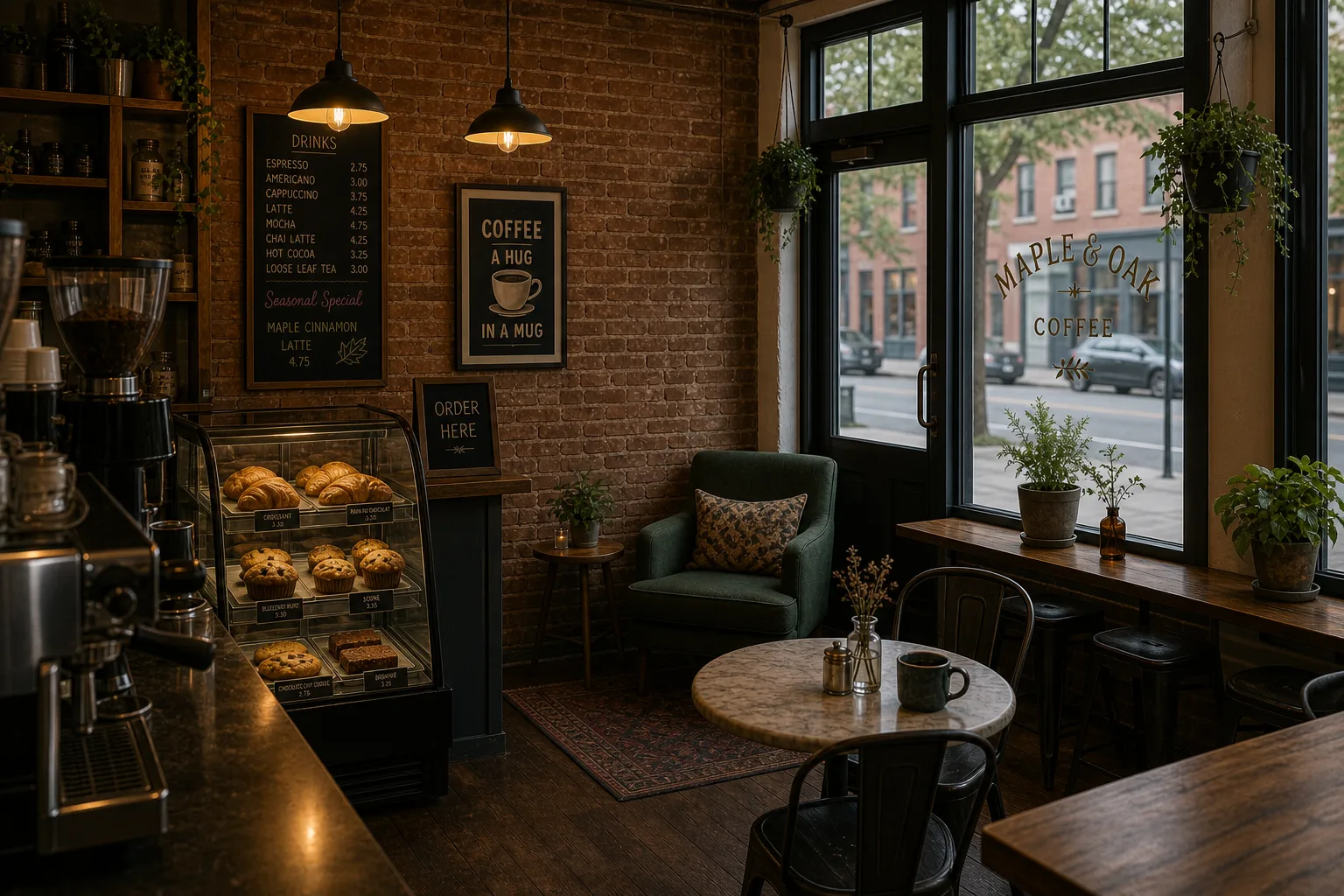
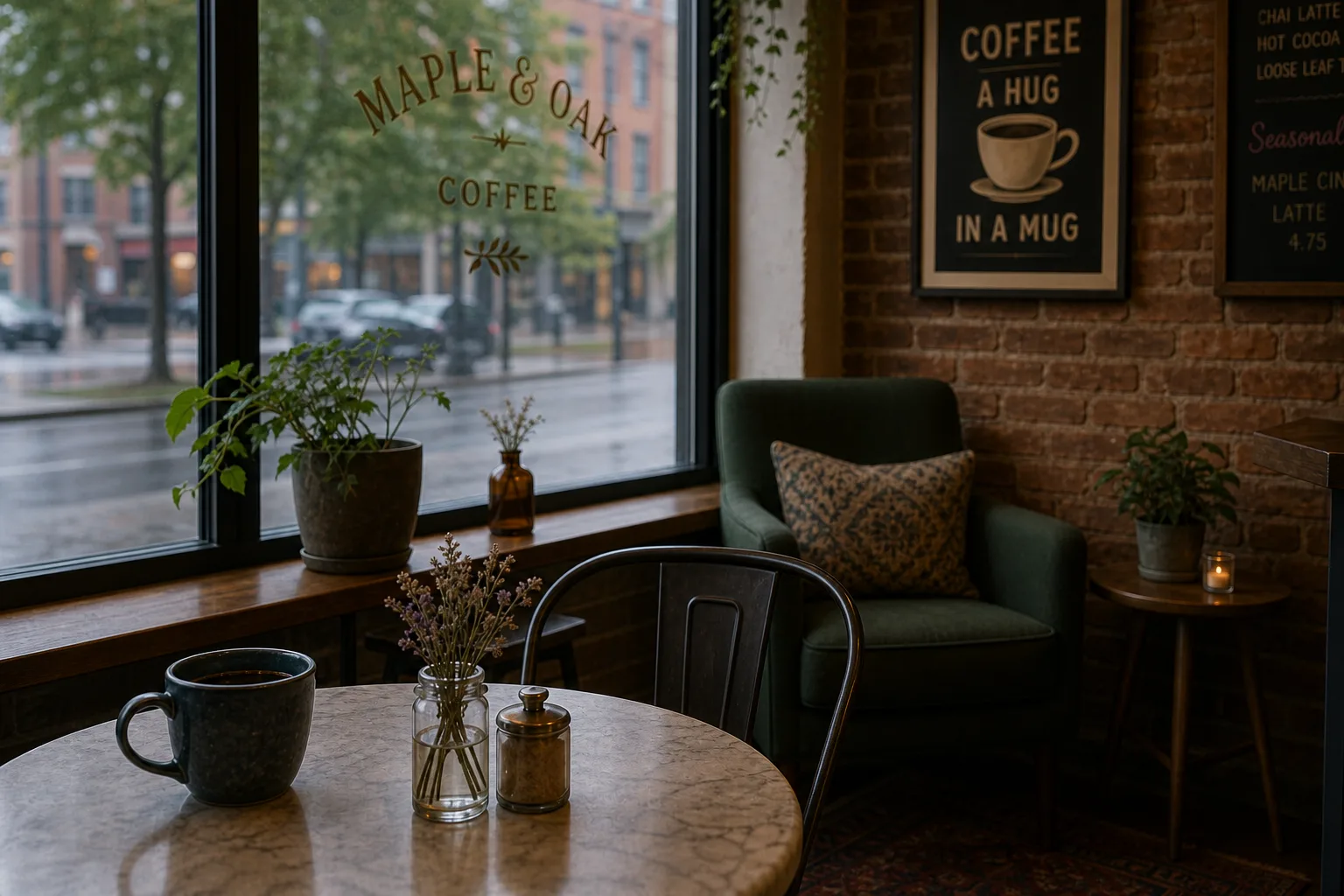
Locks the world itself, a set or environment's architecture, props, lighting logic and layout, so cutting between angles of "the same room" doesn't quietly generate a different room each time. Applies to real-world locations and invented ones alike.

What breaks without it: window placement, wall art, furniture arrangement and even room proportions can all shift between generations of "the same" location, more disorienting to a viewer than a wardrobe change, because it breaks their sense of physical space.

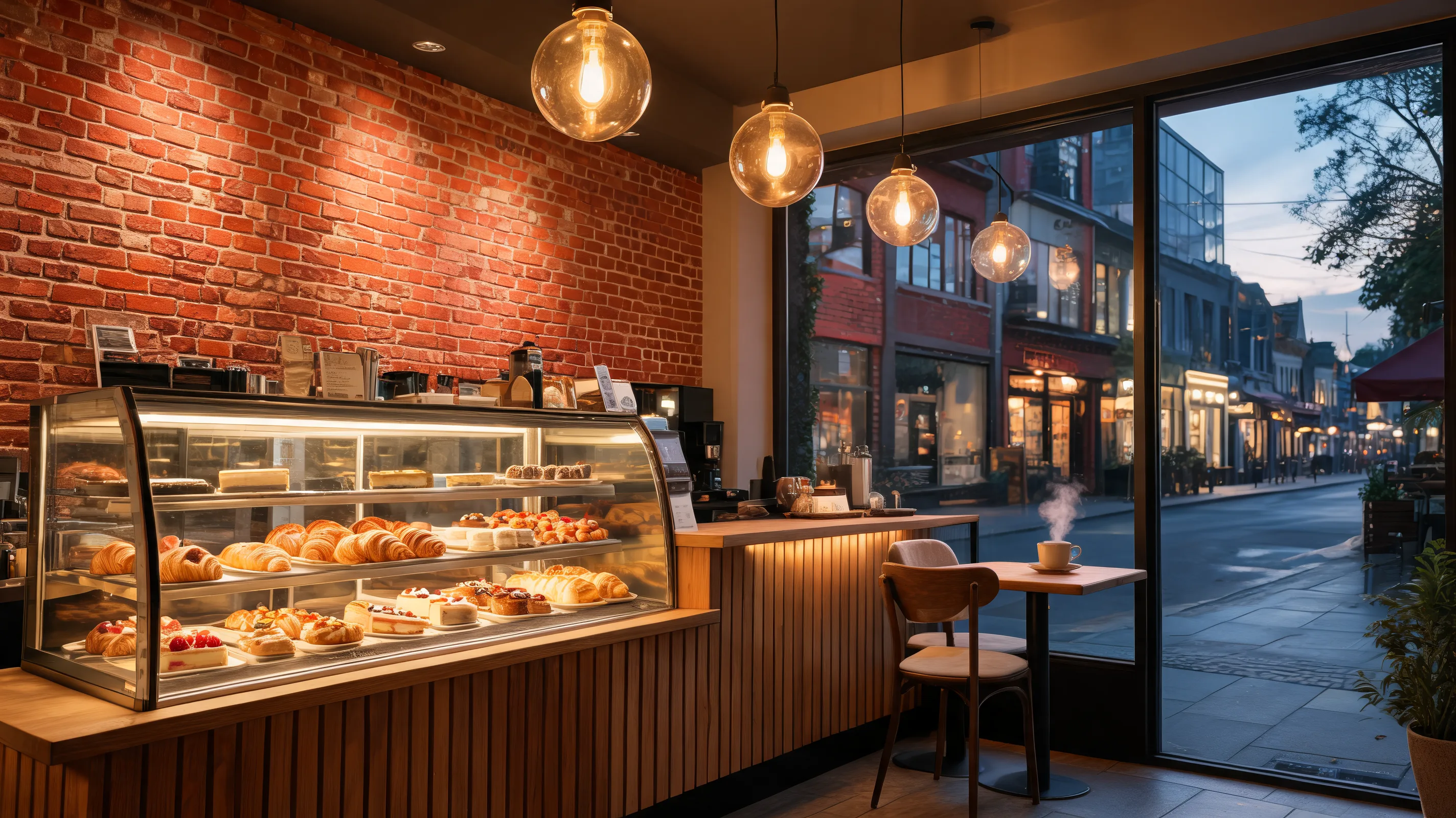
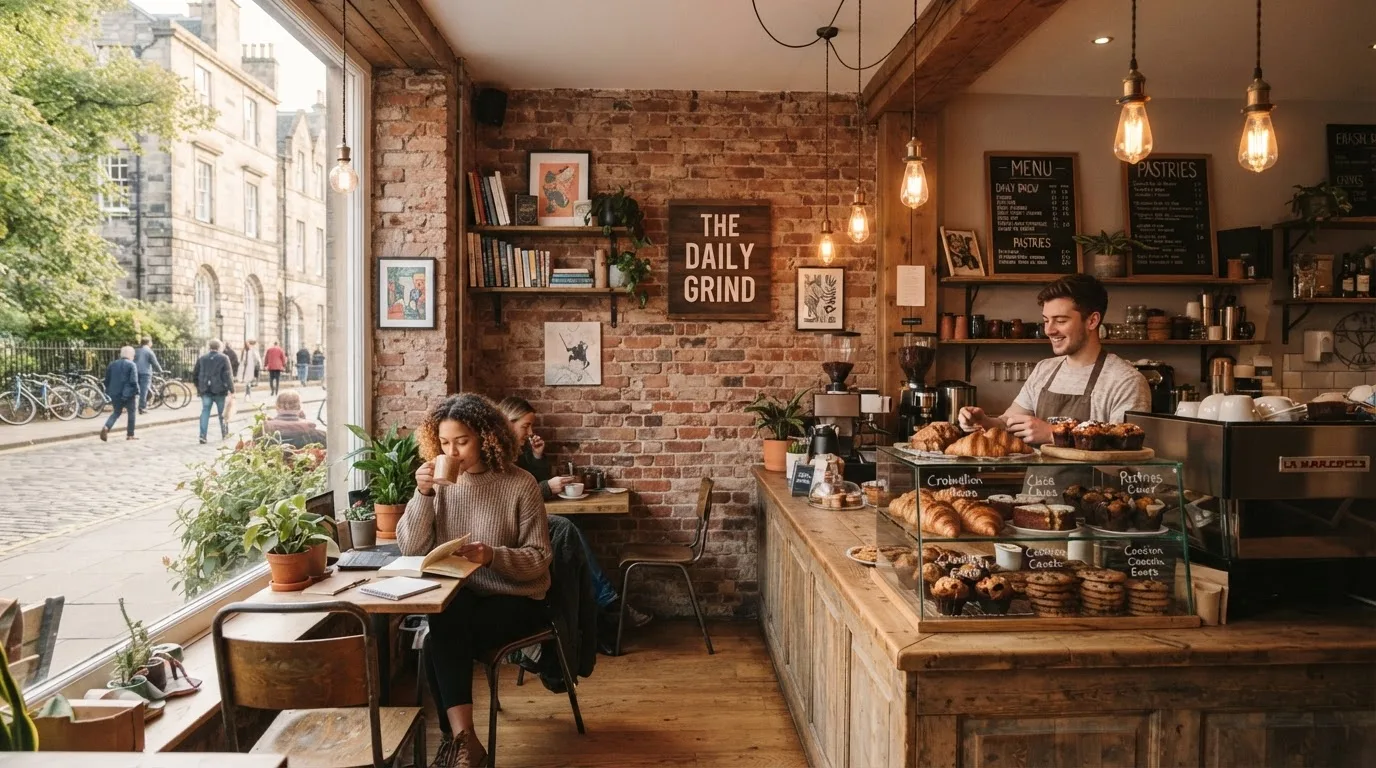
✕ Without a lock, three "angles" of the same café, each with a different layout
Unlocked generation of a café interior, angle one
Unlocked generation of the same described café, angle two, window and counter layout differ
Unlocked generation of the same described café, angle three, pastry case has moved to a different wall and the lighting fixtures have changed style
✓ With Location Consistency locked, three real angles, identical café
Location-locked café, wide shot from the doorway
Location-locked café, reverse angle from behind the counter
Location-locked café, close angle on the window-side table
🔒 Lock 5 of 5

Property & Object Consistency

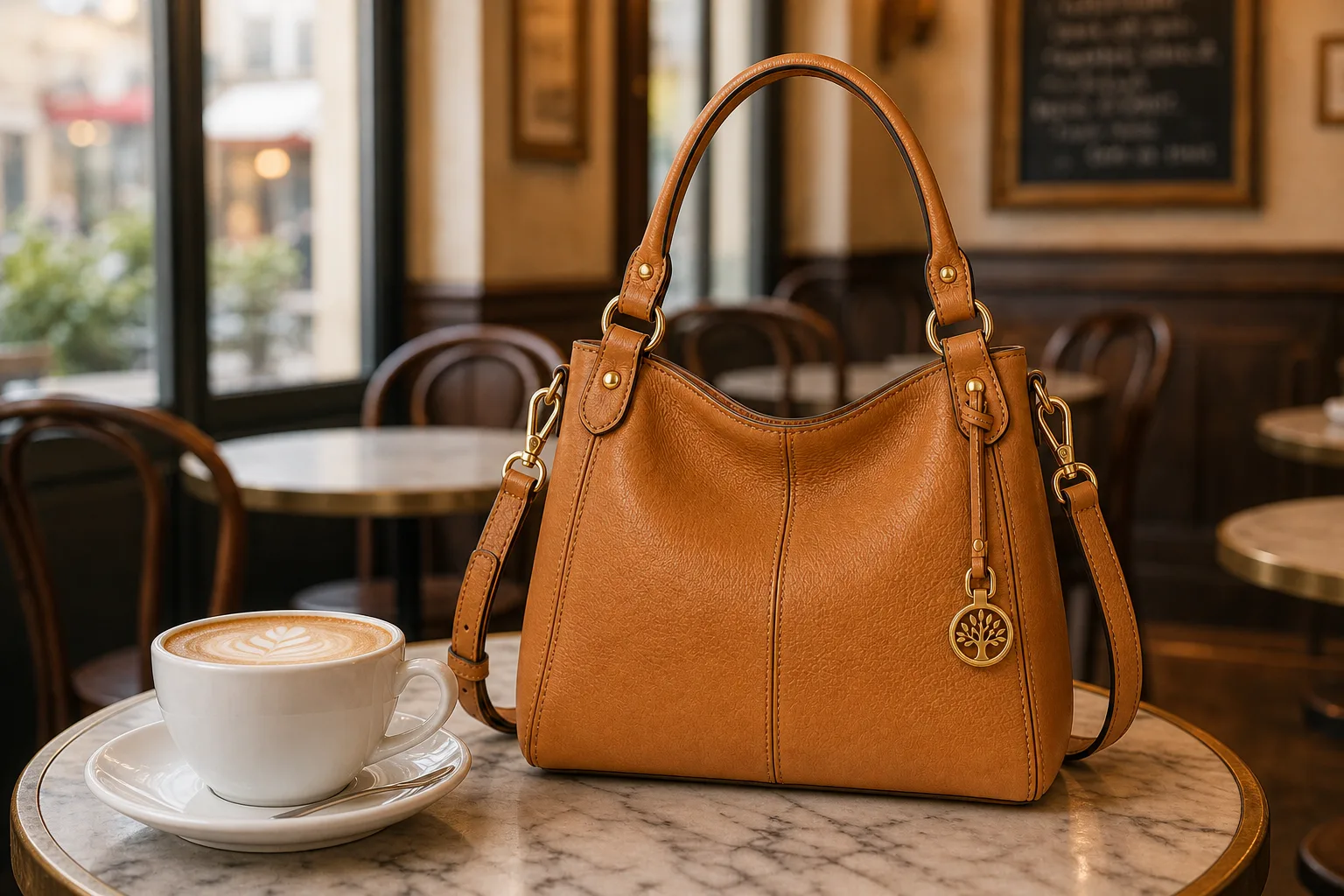
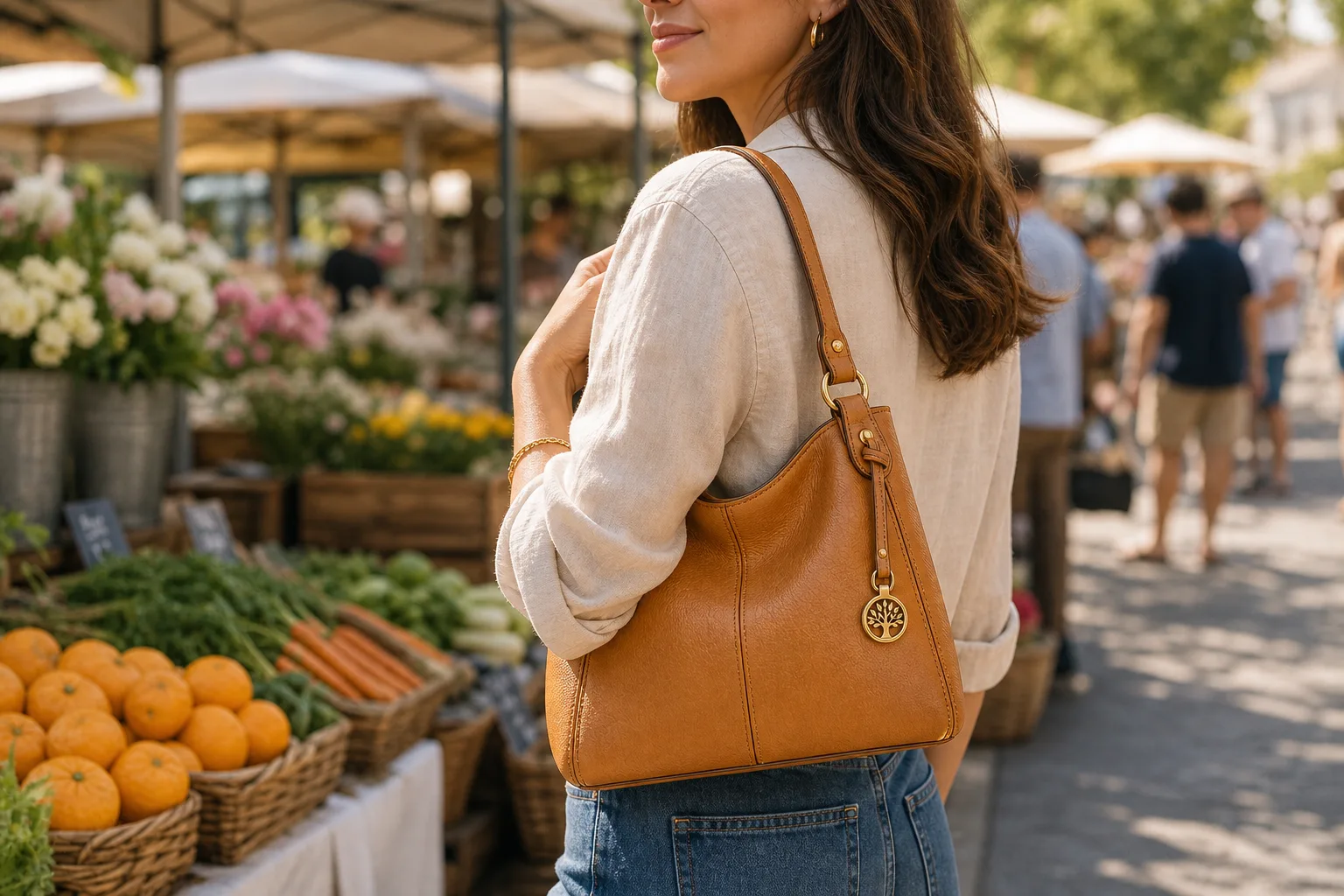
Locks a specific prop or object's design across every appearance, a hero product, a weapon, a piece of jewelry, a vehicle, the way a props department tracks a "hero prop" so it's visually identical in every shot, including inserts shot separately from the main coverage.

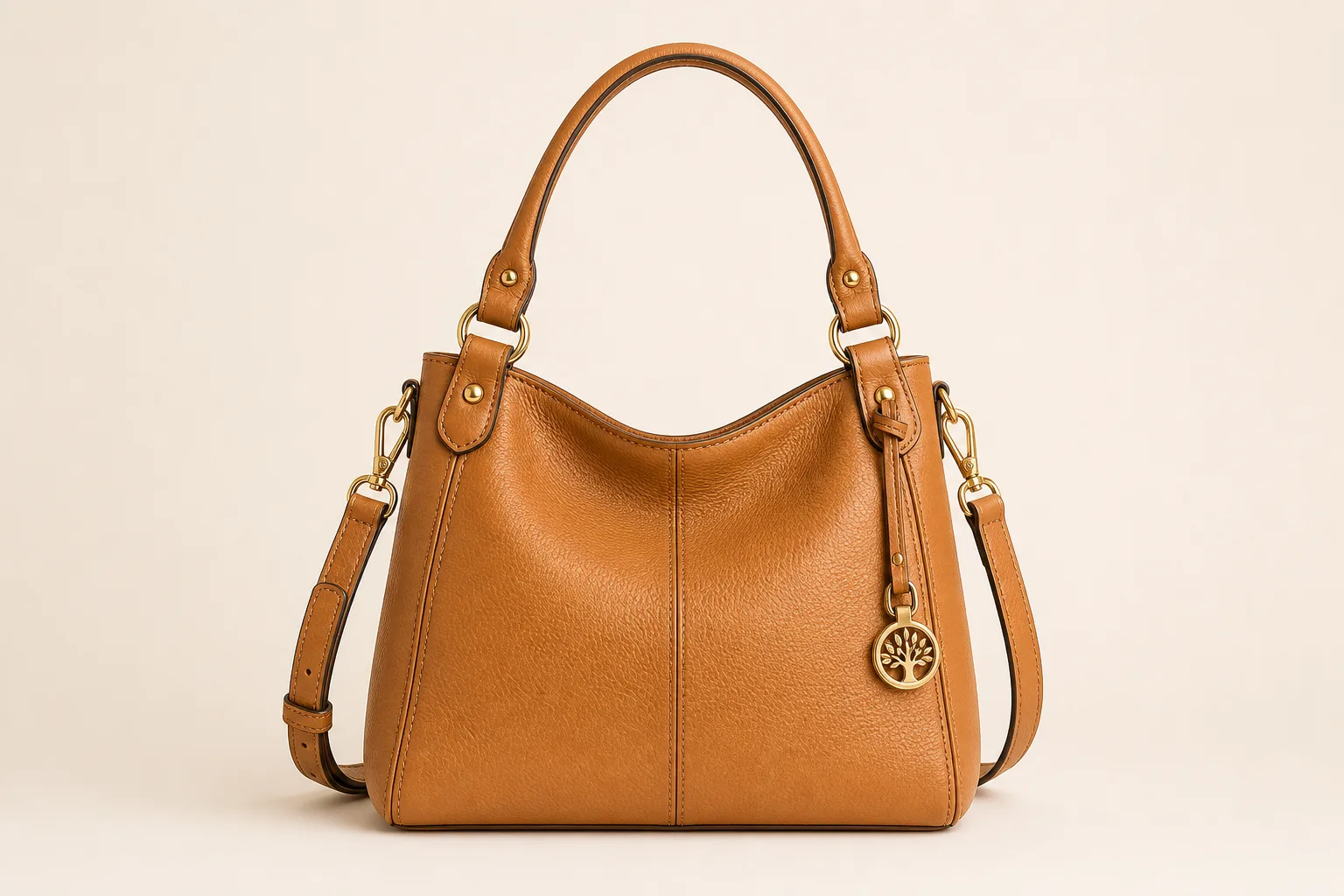
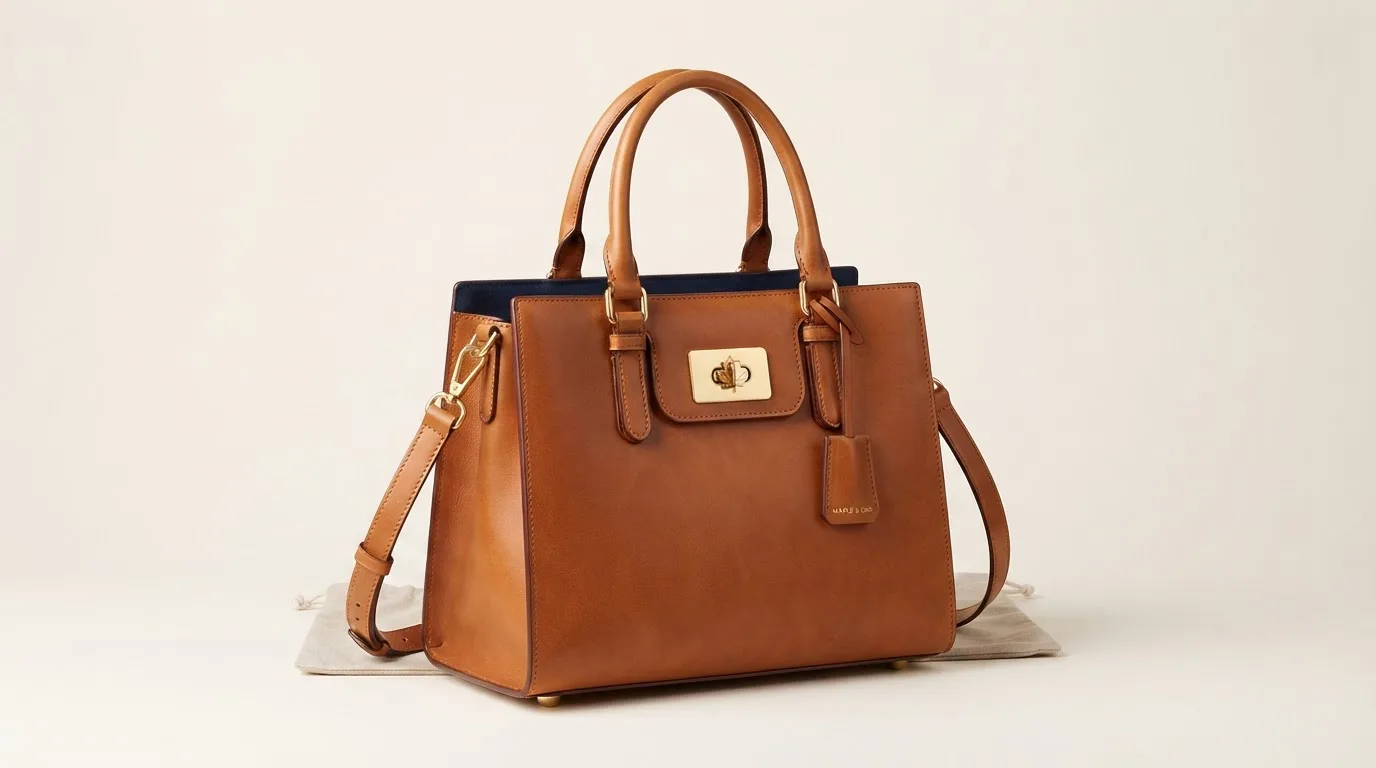
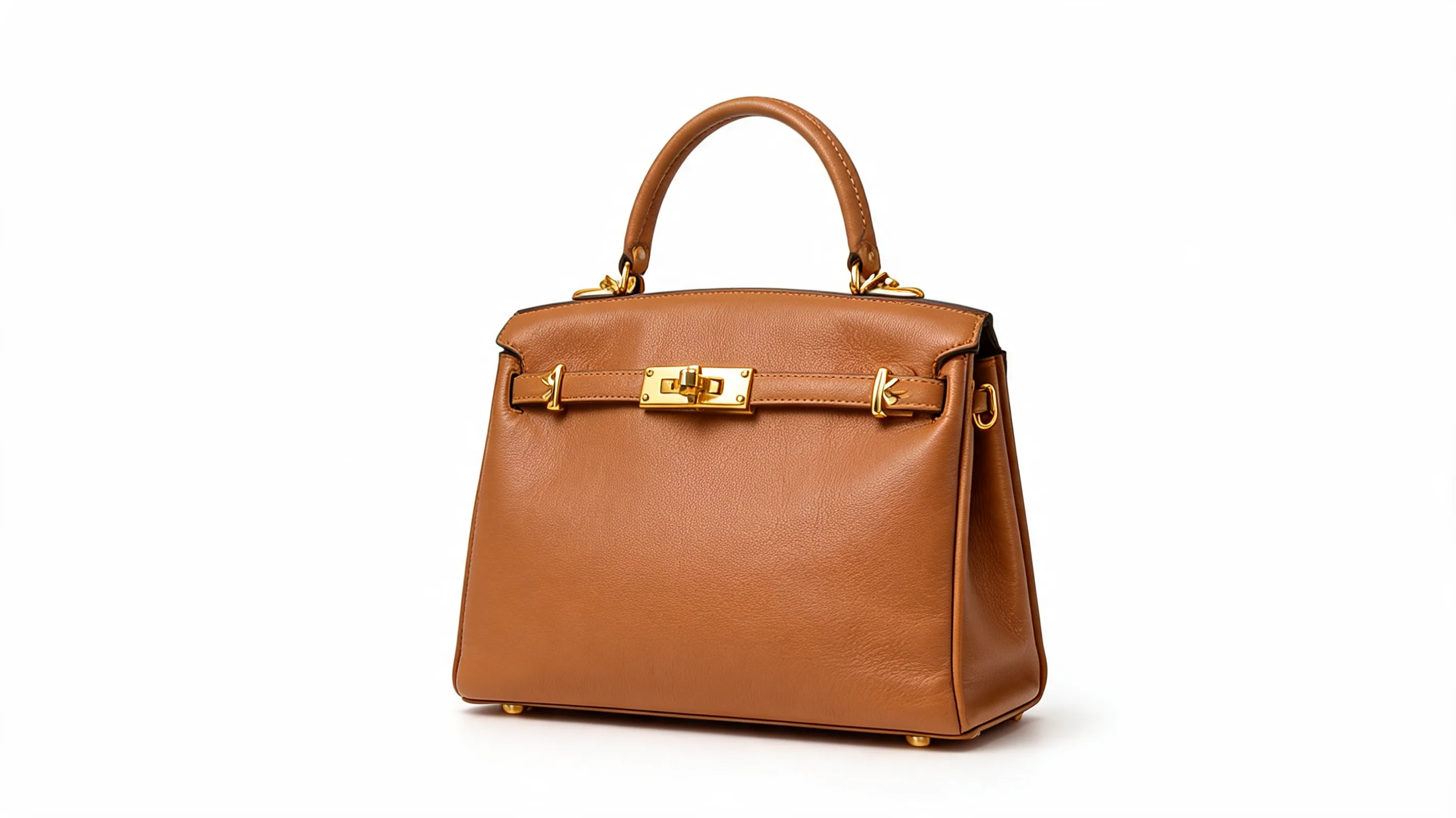
What breaks without it: the sharpest pain point for e-commerce and product ads specifically, generate "the same handbag" in five lifestyle scenes and a plain model will invent five subtly different handbags. For a brand, that's not a continuity nitpick, it's a product-accuracy problem.

✕ Without a lock, hardware, stitching and strap length all drift
Unlocked handbag generation, scene one
Unlocked handbag generation, scene two, hardware has changed
Unlocked handbag generation, scene three, strap length has changed
✓ With Property & Object Consistency locked, identical bag, three scenes
Object-locked handbag held on a city street
Same object-locked handbag set on a café table
Same object-locked handbag worn at an outdoor market
How it fits together

Five locks, one continuous workflow.

1

Cast & lock identity

Generate a lineup in Casting Director and lock the face that fits, this is the Character Identity baseline.

2

Lock the expression range

Generate the locked character across emotional states without the face drifting or flattening.

3

Lock wardrobe & location

Set a specific outfit and a specific set once, and reuse both across every angle in the sequence.

4

Lock props & generate

Add any hero prop that needs to stay identical, then generate the finished scene with all five locks holding.

See it in action

Watch all five locks stack in one pass.

Locking a character, then generating a new expression, a new outfit, a new location and a new hero prop, without any of the previous locks slipping.

Character & Scene Continuity · walkthrough
Who it's for

Five locks, three very different reasons to need them.

🎬

Filmmakers & studios

Carry a cast, their wardrobe and a set across an entire short or series without continuity drifting between scenes shot weeks apart.

📣

Agencies & brands

Keep a spokesperson, their outfit and the brand set identical across every ad in a campaign, in every aspect ratio.

🛍️

E-commerce teams

Lock a product's exact hardware, stitching and finish so lifestyle imagery never misrepresents what's actually for sale.

Identity
Face, bone structure locked
Expression
Full emotional range, same face
Wardrobe
Garment, color, accessories locked
Location
Layout, lighting, props held
Objects
Hardware, texture, scale locked
Answers

Character & Scene Continuity, in brief.

What is character and scene continuity in SparkStation?

It's a set of five independent locks, Character Identity, Expression Continuity, Wardrobe Continuity, Location Consistency and Property/Object Consistency, that each hold one aspect of a scene constant across every generation, so a face, an outfit, a set or a prop doesn't quietly change between shots the way it does with a plain, unlocked AI generation.

How is this different from just using a reference image?

Reference-image conditioning on most tools helps for a shot or two before drifting back toward the model's own average output, especially across different angles or lighting. SparkStation's locks are independent and persistent, identity, expression, wardrobe, location and props can each be held constant on their own, across an entire production, not just the next generation.

Can I keep a character's outfit consistent across different camera angles?

Yes. Wardrobe Continuity locks garment shape, color, texture and accessories so a jacket's buttons, a shirt's pattern and an accessory's placement stay identical across a wide shot, a medium shot and a close-up of the same scene.

Does SparkStation keep locations consistent, not just characters?

Yes. Location Consistency locks a set or environment's architecture, layout and lighting logic, so cutting between angles of "the same room" doesn't generate a subtly different room each time, window placement, wall art and furniture stay put.

Can I lock a specific product or prop so it looks identical in every shot?

Yes, with Property & Object Consistency. This matters most for product and e-commerce work, a handbag's hardware, stitching and strap length stay identical across every lifestyle scene it appears in.

Does a locked character stay consistent going into video, not just images?

Yes. Every lock set here carries forward into SparkStation's AI Video Generator, so the same identity, expression range, wardrobe, location and props hold across video shots too.


Ready to lock your first character?

Cast a face in Casting Director, then carry it, expression, wardrobe, location and props, through the whole production.